
China Best Pallet Racking Systems Manufacturers

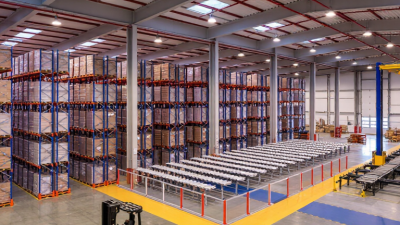
China’s position in the global supply chain has made it a major source of pallet storage equipment. But choosing a supplier takes more than comparing prices. The right Pallet Racking Systems must suit the building, inventory, handling equipment, and daily workflow.

The 2024 MHI Annual Industry Report, produced with Deloitte, found that 55% of surveyed supply-chain leaders planned to increase technology investment over the following five years. That investment trend makes practical rack design more important: aisle widths, beam levels, load capacity, and forklift access all affect how well a warehouse runs. A small mismatch can slow picking or leave valuable vertical space unused. Details matter.

Warehouse and supply-chain expert Dr. James A. Tompkins has emphasized aligning facility design with operational needs. This is a paraphrase of his broader warehouse-design principle, not a direct quotation. For buyers comparing China-based manufacturers, that principle is useful: ask for clear load data, engineering drawings, finish specifications, and evidence of quality-control processes. Then compare those details against your actual pallet dimensions and handling methods. A glossy catalogue cannot answer every site-specific question.

The manufacturers worth evaluating are those that explain trade-offs plainly, provide consistent technical documentation, and support a careful review before production. No rack is perfect for every warehouse. The best choice is the one whose design fits the operation—and whose limitations are easy to understand.
China Best Pallet Racking Systems Manufacturers

What Pallet Racking Systems Are and How They Work

China Best Pallet Racking Systems Manufacturers

What Pallet Racking Systems Are and How They Work

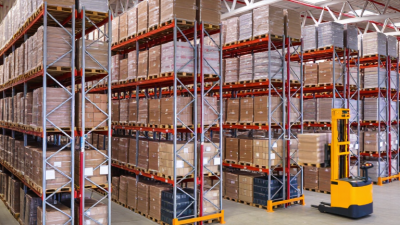
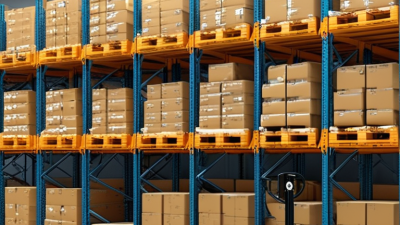
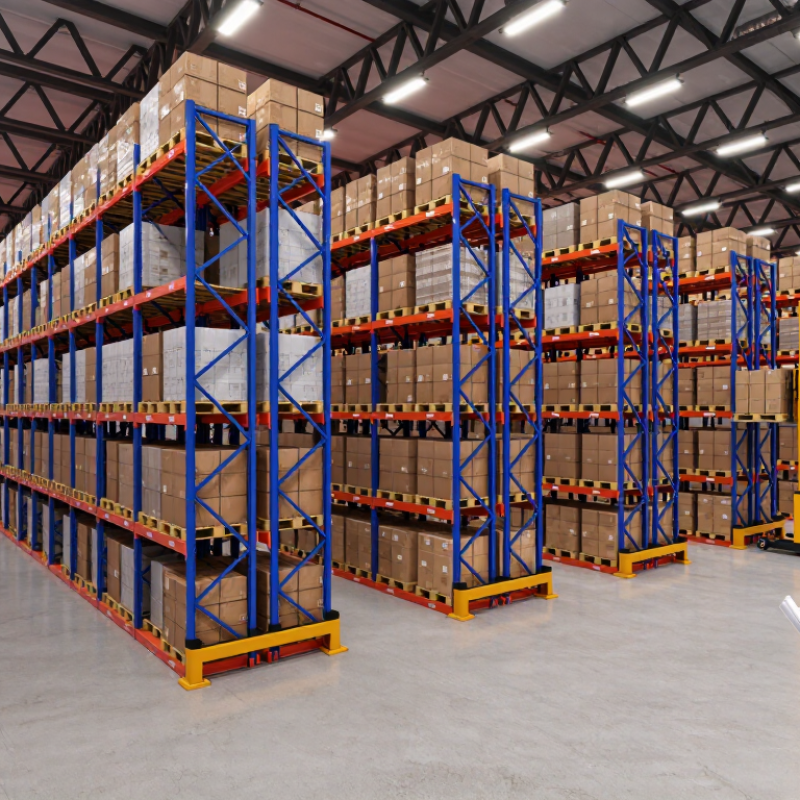
Pallet racking is a steel storage structure that holds palletized goods above the warehouse floor. Upright frames support horizontal beams, creating bays and storage levels. In common selective systems, forklifts place pallets directly onto each beam level. This gives workers access to individual loads, though it uses more aisle space than some dense-storage designs. Decking or wire supports may be added when a pallet needs extra support. Small detail, big consequence.

In daily operation, rack layout must match pallet dimensions, load weights, forklift turning space, and picking routines. Workers scan labels, retrieve a pallet, and return it to an assigned location. The beams carry the load; the floor and anchors help stabilize the structure. Clear load signs matter. Bent uprights, loose connections, or overloaded beams should prompt inspection, not guesswork. A tidy aisle helps, but it cannot fix a poorly planned layout.

MHI and Deloitte’s 2024 Annual Industry Report found that 55% of surveyed supply-chain leaders planned to increase technology investment. That shift makes accurate inventory records and warehouse coordination increasingly relevant, even in facilities using conventional racks. A rack itself does not track stock or prevent picking errors. It provides the physical framework. Sometimes the simple part is underestimated. Operators still need suitable training, routine checks, and a layout that reflects actual loads—not just the drawing on the office wall.

Main Types of Pallet Racking Systems Made in China

China Best Pallet Racking Systems Manufacturers

Main Types of Pallet Racking Systems Made in China

Selective pallet racking is common in Chinese warehouses because forklifts can reach every pallet directly. It suits mixed stock and frequent picking, though it uses aisle space less efficiently. Double-deep racks store pallets in pairs, improving density but requiring a reach truck. Drive-in systems let forklifts enter deep lanes, making them useful for large batches of similar goods. They can slow access to older stock, so rotation needs careful planning.

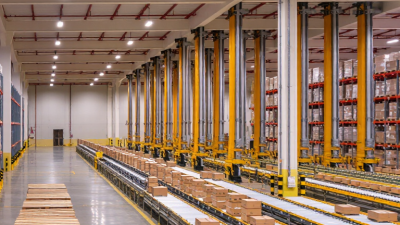
For higher throughput, push-back and pallet-flow racks use sloped tracks or carts to move pallets toward the picking face. These systems reduce forklift travel, but their moving parts need inspection. The MHI 2024 Annual Industry Report, based on a survey of more than 2,000 supply-chain professionals, identifies automation as an important investment area. That trend makes automated high-bay systems worth considering, especially where floor space is limited. They also demand precise layout and dependable controls.

Tips: Match rack type to pallet dimensions, load weight, forklift turning radius, and stock rotation. Measure the actual warehouse first. A small layout mistake can become expensive. Manufacturer specifications should be checked against a qualified rack-design review; this is an area where assumptions are risky.

China Best Pallet Racking Systems Manufacturers - Main Types of Pallet Racking Systems Made in China

A practical comparison of common pallet racking systems by access, storage density, operating method, and suitable applications. Actual capacity and layout depend on the project design, pallet dimensions, load, floor conditions, and applicable safety requirements.

System Type Pallet Access Storage Density Operating Method Typical Applications Key Consideration
Selective Pallet Racking Direct access to each pallet Low to moderate Forklift loads and retrieves pallets from aisles Warehouses with many SKUs and frequent stock rotation Requires aisles for forklift access; offers straightforward stock selection.
Double-Deep Racking Access from the aisle to the front pallet; rear pallet accessed through the front position Moderate to high A suitable deep-reach forklift places pallets two deep Operations storing multiple pallets per SKU Reduces aisle count but limits immediate access to rear pallets.
Drive-In Racking Access from one end of each lane High Forklift enters the lane to place or retrieve pallets High-volume storage with relatively few SKUs Often suited to last-in, first-out (LIFO) handling; lane and pallet compatibility are important.
Drive-Through Racking Access from both ends of a lane High Forklift enters from one end and can exit at the other Bulk storage where access from both sides is useful Can support first-in, first-out (FIFO) flow when managed from opposite ends.
Pallet Flow Racking Pallets loaded at one end and retrieved at the other High Pallets move along inclined roller tracks by gravity FIFO inventory, including products with dated stock Roller design, pallet quality, and controlled movement need careful specification.
Push-Back Racking Pallets accessed from the aisle face Moderate to high Each new pallet pushes the previous pallet back on a cart or track Multiple pallets per SKU where compact storage is needed Typically operates LIFO; lane depth and load consistency affect performance.
Mobile Pallet Racking Direct access through an aisle opened where required High, by reducing the number of permanent aisles Rack rows move on powered or manually operated bases Space-constrained warehouses and controlled storage areas Requires suitable floor conditions, access controls, and safety systems.
Pallet Shuttle Racking Pallets handled at the lane face; shuttle travels within the lane High A powered shuttle moves pallets along storage rails High-volume, deep-lane storage with repeated pallet movements Requires shuttle equipment, compatible pallets, and a defined operating process.

Note: Storage density is a relative comparison, not a guaranteed capacity. Final rack dimensions, beam loads, anchoring, clearances, and protection should be determined through project-specific engineering and local code review.

Key Capabilities of China’s Pallet Racking Manufacturers

China’s pallet-racking manufacturers compete on more than steel tonnage. Strong suppliers turn aisle widths, forklift turning radii, pallet sizes, and floor conditions into practical layouts. Ask for engineering drawings, beam-load tables, material records, and coating specifications. Details matter. A polished catalog cannot replace a site-specific review.

Manufacturing capability also shows in repeatable dimensions, consistent weld quality, and traceable components. Buyers can compare sample parts and inspection records before approving a large order. MHI’s 2024 Annual Industry Report, developed with Deloitte, reported that 55% of surveyed supply-chain professionals planned to increase technology investment. That figure does not prove rack manufacturers are digitally mature. It does highlight the value of suppliers who can coordinate rack layouts with barcode locations, sensors, or automation equipment. Not every warehouse needs automation.

Experienced manufacturers should also discuss installation tolerances, shipment protection, and replacement parts—not only production speed. Ask how they handle changes in pallet weight or operating patterns after installation. Their answer can reveal whether engineering support continues beyond the sale. Some projects still underestimate floor conditions. That is worth checking early.

China’s Pallet Racking Manufacturers: Key Design Capabilities

Typical dimensional ranges for commonly specified selective pallet racking components

These indicative ranges illustrate the flexibility manufacturers may offer when configuring rack systems. Actual dimensions and load ratings depend on the project, materials, and applicable safety requirements; confirm specifications through engineering review.

How to Evaluate and Select a Chinese Manufacturer

Selecting a Chinese pallet racking manufacturer takes more than comparing price lists. Start with your operating conditions: pallet dimensions, maximum load, lift-truck aisle width, ceiling height, and expected throughput. Details matter. Ask suppliers to explain how they calculate beam and upright capacity. Request drawings showing bay dimensions, bracing, and connection details. A polished brochure is not proof of engineering quality.

Evaluate manufacturing consistency in person or through a qualified third-party inspection. Review steel certificates, welding practices, coating checks, and component measurements. Ask for test reports tied to the proposed system, not a generic file. Ask for evidence. Confirm packaging, lead times, spare-part availability, installation guidance, and warranty terms in writing. Speak with customers who use similar loads and warehouse layouts. A showroom system may behave differently in a busy facility.

Compare quotations line by line, including freight, accessories, inspections, and site support. Check whether the supplier can revise drawings when measurements change. This is easy to overlook. Notice how clearly technical questions are answered, not just how quickly sales staff respond. No checklist is perfect. I would allow for unexpected floor or layout issues, because real warehouses rarely match the first drawing exactly. Choose a manufacturer that explains its assumptions, provides verifiable records, and communicates limitations before production begins.

Leading Chinese Manufacturers and Their Product Specialties

China Best Pallet Racking Systems Manufacturers

Leading Chinese Manufacturers and Their Product Specialties

Chinese pallet-racking manufacturers are not one uniform group. Some specialize in selective racks, which give forklifts direct access to each pallet. Others focus on drive-in systems for dense storage, or long-span shelving for hand-loaded cartons. Automated-storage specialists may integrate racks with cranes, conveyors, or shuttle equipment. The right product depends on pallet dimensions, forklift type, aisle width, and how often stock moves.

MHI’s 2024 Annual Industry Report found that 55% of surveyed supply-chain leaders expected to increase investment in technology and innovation. That trend helps explain interest in automated and high-density storage, though the figure covers supply-chain technology broadly, not racking alone.

Buyers should compare load ratings, steel thickness, beam connections, and stated tolerances. Ask for drawings and load calculations, not just a glossy product sheet.

Fit matters more. A warehouse with frequent mixed-pallet picking may need selective access, while stable, high-volume inventory can suit denser layouts. Check coating quality and weld consistency on samples; small defects can become costly after installation.

It is tempting to rank suppliers by price alone. That misses a weakness in many comparisons: quoted capacity may assume specific floor conditions, pallet sizes, and handling equipment. Request those assumptions in writing before comparing offers.