



2026 Top Pallet Rack Shelving Types for Global Buyers
Choosing the right pallet storage system can shape warehouse safety, capacity, and daily operating costs. In 2026, global buyers are comparing more than price. They are examining load requirements, building conditions, labor patterns, and future expansion plans.
This guide introduces the leading Pallet Rack Shelving types for modern distribution centers. Selective pallet racks offer direct access to every pallet and suit varied inventories. Drive-in racks increase density for similar products. Push-back and pallet-flow systems can improve product movement and reduce handling time. Double-deep racks may save aisle space, but they require suitable forklifts and disciplined inventory control. Automated systems provide advanced efficiency, though their software, maintenance, and integration demands are higher.
Details matter.
A 2,500-kilogram beam rating does not automatically fit every warehouse. Pallet dimensions, upright spacing, floor quality, forklift reach, and aisle width must be checked together. Seismic exposure, fire protection, and local engineering rules may also change the final design. Buyers should request structural calculations, clear load labels, installation guidance, and inspection procedures from qualified suppliers.
No single rack type is universally best. That point is easy to overlook. A high-density design may reduce access speed, while a flexible layout may use more floor area. This article evaluates practical strengths, limitations, and purchasing considerations for each system. It also encourages buyers to verify technical claims independently, because supplier terminology and regional standards are not always consistent. A careful decision begins with measurable warehouse needs, not attractive catalog images.
What Pallet Rack Shelving Is and How It Supports Warehouse Storage
2026 Top Pallet Rack Shelving Types for Global Buyers
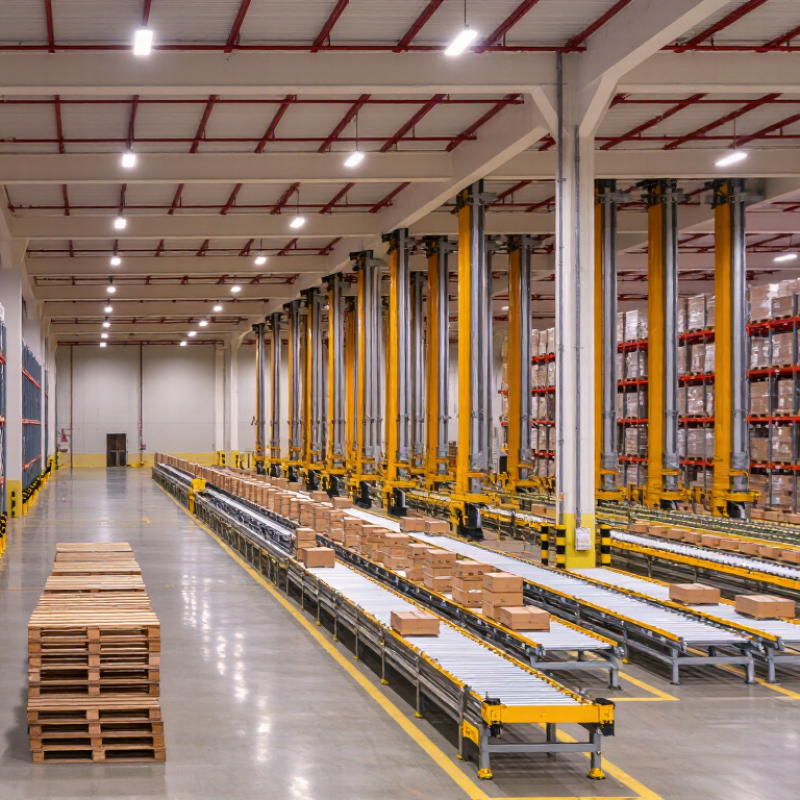
Pallet rack shelving is a steel storage system designed to hold palletized goods above the warehouse floor. Upright frames, horizontal beams, and decking create adjustable storage levels. Forklifts place pallets into these levels and retrieve them when needed. Selective pallet racking offers direct access to every pallet. Drive-in racking increases density, while pallet flow racking supports first-in, first-out movement. Cantilever racking suits long products, such as pipes or timber.
In practical warehouse projects, rack selection begins with inventory behavior, not appearance. A fast-moving operation may need clear aisle access and simple replenishment. A cold store may prioritize compact storage and corrosion-resistant finishes. Load capacity, pallet dimensions, forklift turning space, and floor strength must be checked together. Local seismic conditions and workplace safety requirements also matter. Small measurement errors can create expensive problems. That part is often underestimated.
Tips: Measure the heaviest pallet first. Confirm beam capacity with a qualified engineer. Leave safe clearance above stored goods and sprinkler systems. Label each rack bay clearly, then inspect frames, beams, and anchors regularly. Do not assume a high-density layout is always better. It can slow picking and reduce visibility. A pilot aisle may reveal weaknesses before full installation.
| Pallet Rack Type | How It Works | Typical Storage Density | Access and Inventory Rotation | Typical Pallet Depth or Configuration | Suitable Handling Equipment | Best-Fit Applications | Main Advantages | Key Limitations |
|---|---|---|---|---|---|---|---|---|
| Selective Pallet Racking | Individual pallets are stored on horizontal beams, with every pallet position directly accessible from an aisle. | Medium Usually provides the highest selectivity rather than the highest cube utilization. |
Direct access to every pallet; supports both FIFO and LIFO when inventory procedures are properly managed. | Commonly one pallet deep; beam levels and bay widths are configured according to pallet size and load requirements. | Reach trucks, counterbalance forklifts, or narrow-aisle forklifts. | Warehouses with many SKUs, mixed pallet loads, frequent picking, and changing inventory levels. | Flexible layout, easy stock control, simple installation, and broad compatibility with standard pallets. | Requires more aisle space than high-density systems and may provide lower storage density per square meter. |
| Double-Deep Pallet Racking | Two pallet positions are placed one behind the other, normally using double-deep frames or specialized reach equipment. | Medium–High Improves floor utilization compared with single-deep selective racking. |
Front pallets must normally be moved to reach rear pallets; best suited to LIFO or products with limited SKU variety. | Two pallets deep; rack layout requires sufficient aisle width and equipment reach capability. | Double-reach forklifts or reach trucks equipped for double-deep operation. | Distribution centers storing multiple pallets per SKU with moderate turnover. | Higher density than selective racking while retaining more access than drive-in systems. | Reduced selectivity, more complex stock rotation, and possible product obstruction in rear positions. |
| Drive-In Pallet Racking | Forklifts enter rack lanes and place pallets on supported rails, allowing several pallets to be stored deep within each lane. | Very High Uses fewer aisles and increases storage density. |
Normally operates on a LIFO basis; selectivity is limited because pallets within a lane can block one another. | Commonly several pallets deep and multiple levels high; lane depth depends on product, equipment, and building conditions. | Counterbalance forklifts or forklifts specifically approved for drive-in operation. | Large quantities of the same SKU, low-to-medium turnover, cold storage, and seasonal buffer inventory. | Excellent space utilization and lower aisle requirement compared with selective layouts. | Lower selectivity, greater forklift impact risk, and more demanding operating discipline. |
| Drive-Through Pallet Racking | Forklifts can enter from both ends of a rack lane, allowing pallets to be loaded from one side and unloaded from the other. | Very High Provides dense storage while supporting a more organized product flow. |
Can support FIFO when loading and unloading are controlled from opposite sides; access remains limited by lane depth. | Several pallets deep with access openings at both ends of each lane. | Counterbalance forklifts or suitable reach equipment, subject to aisle and rack design. | High-volume operations requiring batch storage and planned stock rotation. | High density with better flow control than single-entry drive-in storage. | Higher construction cost, more building space requirements, and limited SKU flexibility. |
| Push-Back Pallet Racking | Pallets are loaded from the front onto nested carts or roller lanes; placing a new pallet pushes existing pallets farther into the lane. | High Reduces aisle requirements compared with selective racking. |
Generally operates on a LIFO basis; front pallets are removed before pallets behind them. | Commonly two to six pallets deep, depending on the rack design, load, and handling equipment. | Reach trucks or counterbalance forklifts with appropriate operating clearances. | Medium-turnover inventory, batch storage, and warehouses with several pallets per SKU. | Good space utilization, fast front-side loading, and fewer aisles than selective racking. | Not ideal for strict FIFO, and moving components require inspection and maintenance. |
| Pallet Flow Racking | Pallets are loaded at the replenishment side and move by gravity on rollers toward the picking side. | High Combines dense storage with controlled product movement. |
Designed primarily for FIFO; each lane usually holds one SKU or a controlled product group. | Several pallets deep with inclined roller lanes and separate loading and unloading faces. | Reach trucks, counterbalance forklifts, or pallet-moving equipment suited to the facility layout. | Food and beverage, pharmaceuticals, date-sensitive goods, and high-volume distribution operations. | Reliable stock rotation, reduced travel distance, and efficient order-picking flow. | Higher initial cost, stricter pallet-quality requirements, and less flexibility for mixed SKU lanes. |
| Narrow-Aisle Pallet Racking | Selective or other pallet rack systems are installed with reduced aisles to increase the number of storage positions. | High Uses warehouse height and floor area more efficiently than conventional wide-aisle layouts. |
Usually provides direct pallet access when configured as narrow-aisle selective racking; FIFO or LIFO depends on operating procedures. | Typically single-deep or double-deep, with aisle dimensions determined by the truck and rack design. | Narrow-aisle, turret, or articulated forklifts, depending on the aisle width and lifting height. | High-SKU warehouses with tall buildings, controlled travel paths, and substantial pallet access needs. | High storage capacity, good selectivity, and effective use of vertical warehouse space. | Requires specialized equipment, accurate truck operation, and carefully designed floor tolerances. |
| Mobile Pallet Racking | Rack rows are mounted on powered or mechanically assisted bases that move along floor rails, opening an access aisle only where needed. | Very High Reduces the number of permanently open aisles. |
Can provide direct access to stored pallets, although access time is longer than with permanently open aisles. | Usually single-deep or double-deep rack rows installed on movable bases; system length depends on building and load design. | Forklifts compatible with the rack layout; floor-mounted rails and safety controls are required. | Space-constrained warehouses, archival storage, cold rooms, and facilities with high land or building costs. | Excellent space utilization with strong pallet accessibility compared with fixed high-density systems. | Higher capital cost, mechanical maintenance requirements, and slower access when aisles must be opened. |
| Pallet Shuttle Racking | A battery-powered shuttle vehicle moves pallets within deep rack channels, while forklifts load and retrieve pallets at the channel face. | Very High Supports deep-lane storage while reducing forklift travel inside the rack. |
Can be configured for FIFO or LIFO using suitable lane and loading arrangements; access is controlled by lane. | Multiple pallets deep and several levels high; channel dimensions depend on pallet and shuttle specifications. | Counterbalance or reach forklifts for interface operations; shuttle equipment handles in-channel movement. | High-volume, repetitive pallet storage, cold-chain facilities, and operations with many full-pallet movements. | High density, improved operator safety inside channels, and reduced forklift travel distance. | Higher investment, battery and control-system requirements, and lower flexibility for highly mixed SKU storage. |
| Cantilever Pallet and Long-Load Racking | Horizontal arms extend from vertical columns, providing open-front storage for long, oversized, or irregular loads. | Medium Optimized for load shape and access rather than maximum pallet density. |
Usually direct access from the aisle; inventory rotation depends on the handling process. | Single-sided or double-sided columns with adjustable arms; load length and arm spacing determine the configuration. | Side loaders, reach trucks, forklifts, or cranes selected for the load dimensions. | Timber, steel sections, pipes, panels, furniture components, and other non-standard loads. | Open front design, adjustable arms, and efficient storage of long or awkward products. | Not a general-purpose solution for standard palletized goods and requires careful load stability control. |
Planning note: Actual capacity, aisle width, rack height, pallet depth, seismic requirements, and safety features must be confirmed through a site-specific engineering review. Final specifications depend on pallet dimensions, load weight, forklift type, building height, floor condition, local regulations, and the required inventory rotation method.
Related Posts
-
What Is the Best Pallet Rack Shelving for Warehouses?
-
What Are the Top Types of Pallet Racking?
-

Discover Superior Pallet Storage Racks from China's Leading Manufacturers with Unmatched Quality Guarantee
-
7 Proven Benefits of Best Pallet Racking for Maximizing Warehouse Efficiency
-
7 Key Reasons Why Investing in Pallet Racking Installation Boosts Warehouse Efficiency
-

7 Compelling Reasons to Choose Warehouse Pallet Racking for Your Supply Chain Optimization