
Top 10 Pallet Racking Systems Manufacturers in China

Choosing a pallet racking supplier is not just a price comparison. The right system must fit the building, inventory, handling equipment, and daily workflow. This guide to the Top 10 Pallet Racking Systems Manufacturers in China offers a practical starting point for buyers comparing suppliers and capabilities. Details matter.

Manufacturers may offer selective racks, drive-in systems, mezzanines, or automated storage solutions, but product names alone reveal little. Ask for load calculations, drawings, steel specifications, surface-finish details, and installation guidance. Check how clearly a supplier explains inspection, maintenance, and customization. A polished brochure is useful, but a precise answer about a beam connection is more revealing. That takes time.

The companies featured here are presented as options to research, not as a universal ranking. Their suitability depends on project requirements, communication, production capacity, and verified references. Where possible, compare quotations using the same layout and load assumptions. Request samples or factory documentation when appropriate, and confirm that proposed designs receive qualified engineering review. One limitation deserves attention: public product information can be incomplete, and capabilities may change. Use this overview to shape questions, then verify current details directly with each manufacturer. A careful comparison can help reduce surprises before equipment reaches the warehouse floor.
Top 10 Pallet Racking Systems Manufacturers in China

Understanding Pallet Racking Systems and Their Main Types

Pallet racking systems store palletized goods on sturdy frames and beams, using vertical space while keeping products accessible. The right layout depends on pallet dimensions, load weight, inventory turnover, forklift access, and building height. Measure carefully. A few centimeters can affect clearance and daily handling.

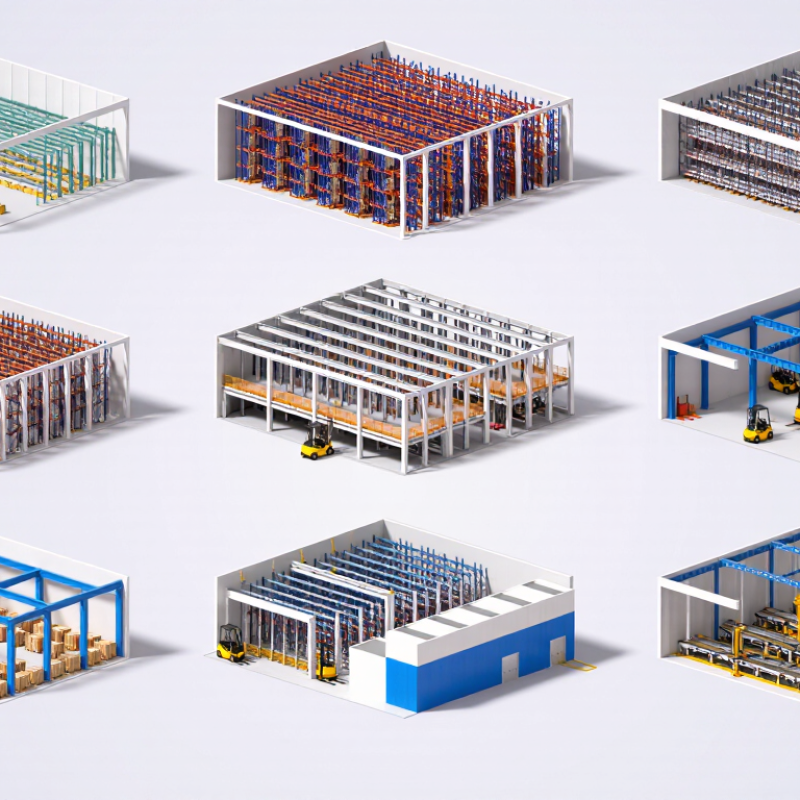
Selective racking gives forklifts direct access to each pallet, making it practical for varied stock. Drive-in racking packs pallets more densely but limits access to individual positions. Push-back and pallet-flow systems support deeper storage and faster movement of similar goods. Cantilever racks suit long items, such as pipes or timber. Each design has trade-offs; high density may reduce selectivity, and no layout fits every warehouse.

Tips: Record pallet sizes and loaded weights before choosing a system. Check aisle width, floor condition, sprinkler clearance, and forklift turning space with a qualified racking professional. Keep load notices visible, and inspect frames and beams regularly for impact damage. Small details matter. Even a well-planned layout may need adjustment after real picking patterns emerge.

How China’s Racking Manufacturers Are Evaluated

Evaluating pallet racking manufacturers in China takes more than comparing quoted prices. Buyers should examine engineering calculations, material specifications, production controls, and evidence from completed projects. Ask how the supplier determines beam capacity for a stated span and load. Request drawings that show upright profiles, connector details, and anchoring requirements. Clear answers matter.

Look closely at the steel grade and thickness, weld consistency, and coating coverage. A smooth finish is useful, but it cannot prove structural performance. Ask for relevant test reports and confirm that their scope matches the proposed rack configuration. Check whether load signs, installation guidance, and inspection recommendations are included. Small details matter.

Factory visits can reveal how components are cut, punched, and checked before shipment. If a visit is not practical, request dated production photos, inspection records, and references for comparable warehouse projects. Speak with customers about delivery accuracy and how issues were handled after installation. Still, references are not perfect evidence; projects and operating conditions differ. A careful evaluation combines documents, technical questions, and practical judgment. No single certificate or polished catalog tells the whole story.

Top 10 Pallet Racking Systems Manufacturers in China - How China’s Racking Manufacturers Are Evaluated

This scorecard presents ten evaluation dimensions for comparing manufacturers. The suggested weights are an evaluation framework, not verified scores or a ranked list of specific companies.

No. Evaluation dimension Suggested weight Evidence to review Practical evaluation method
1 Structural design and safety 15% Design calculations, load tables, drawings, and the design basis used for the proposed system. Check that calculations match the specified rack configuration, loads, and applicable requirements, such as EN 15512 where relevant.
2 Product range and customization 14% Technical specifications for selective, drive-in, double-deep, pallet-flow, and other offered systems. Compare the proposed layout and component specifications with the site plan, pallet dimensions, handling equipment, and operating needs.
3 Material and component traceability 12% Material certificates, component specifications, batch records, and documented inspection procedures. Trace a sample of beams and uprights from incoming material records through production and final inspection.
4 Manufacturing and quality control 12% Quality-management documentation, production inspection records, and relevant welding-quality procedures. Review the scope and validity of certificates, such as ISO 9001, and assess whether inspection records cover the supplied products.
5 Dimensional accuracy and fit 10% Manufacturing tolerances, connection details, installation clearances, and inspection results. Check drawings and sample measurements against project requirements and relevant guidance, such as EN 15620 where applicable.
6 Testing and technical documentation 10% Test reports, installation instructions, product specifications, drawings, and operation or maintenance information. Confirm that documents identify the tested or specified components and correspond to the proposed system configuration.
7 Delivery and project coordination 8% Production schedule, packing list, shipping plan, and documented project communication process. Assess whether milestones, shipment contents, packaging, and responsibilities are clearly defined in the quotation and project plan.
8 Installation and after-sales support 7% Installation scope, technical support arrangements, spare-parts information, and warranty terms. Verify service coverage, response procedures, exclusions, and the customer’s responsibilities in writing.
9 Safety, use, and maintenance guidance 6% Load notices, inspection guidance, damage-reporting procedures, and maintenance instructions. Check that user guidance addresses safe operation and ongoing inspection, including applicable guidance such as EN 15635.
10 Total cost and commercial clarity 6% Itemized quotation, payment terms, packaging and freight assumptions, warranty conditions, and change-order terms. Compare equivalent system scopes and identify exclusions, optional items, and potential costs over the project lifecycle.
Total suggested weighting 100% Apply the same evidence requirements to every manufacturer being compared.

Standards are examples for evaluation; confirm the applicable edition, jurisdiction, project specification, and certification scope before making a purchasing decision.

Profiles of 10 Pallet Racking Systems Manufacturers in China

China’s pallet-racking sector includes manufacturers with different strengths. One focuses on selective racking, offering direct access to each pallet and straightforward stock rotation. Another specializes in drive-in systems, which can use warehouse space efficiently but require careful traffic planning. A third builds push-back racks for deep-lane storage. Check load data closely. A fourth produces carton-flow and pallet-flow systems, where roller condition and lane angle affect movement.

A fifth manufacturer concentrates on mezzanine-supported storage, with stairways, guardrails, and floor loading requiring detailed review. A sixth offers cantilever racks for long goods such as tubing or timber. A seventh provides automated storage interfaces, where rack tolerances must match handling equipment. A mismatch can be costly. An eighth serves projects needing custom dimensions or nonstandard bay layouts; ask how design changes are documented.

A ninth focuses on corrosion-resistant finishes for damp or demanding environments. Confirm the coating specification and inspect sample surfaces. A tenth offers mixed-system projects, combining several rack types under one warehouse plan. Buyers should compare engineering drawings, stated load capacities, weld quality, installation guidance, and after-sales support. Factory photographs help, but they do not replace a site-specific assessment. Some details are easy to miss. Request clear assumptions for floor condition, beam loading, and operating clearances before making a decision.

Products and Capabilities Across the Top 10 Manufacturers

China’s leading pallet-racking manufacturers typically offer selective racks, drive-in systems, push-back racks, pallet shuttles, and automated storage solutions. Selective racks provide direct access to each pallet, while drive-in designs use deeper lanes to increase storage density. Shuttle systems can move pallets within those lanes, reducing forklift travel. The right choice depends on pallet dimensions, stock rotation, aisle width, and handling equipment. A small mismatch matters.

Manufacturing capabilities often include roll-formed uprights, welded beams, custom layouts, and installation support. Buyers should request load calculations, material specifications, coating details, and inspection records—not just a catalogue. The 2024 MHI Annual Industry Report found that 55% of surveyed supply-chain professionals planned to increase technology investment over the following two years. This is not a rack-market forecast, but it shows why compatibility with conveyors, scanners, and warehouse software deserves attention. Check it early. One detail gets overlooked: automation can expose layout errors that look harmless on paper. I would compare proposed aisle clearances and pallet tolerances against real equipment before approving a design. A drawing is useful, but a measured site is better.

Pallet Racking Design: Common Pallet Footprints

Pallet footprint affects beam sizing and the space required in a racking bay. The chart compares the floor area of three pallet dimensions included in ISO 6780; actual rack specifications depend on the load and operating requirements.

Factors to Consider When Choosing a Chinese Racking Manufacturer

Choosing a Chinese pallet racking manufacturer requires more than comparing unit prices. Start with your warehouse layout, pallet dimensions, forklift type, and expected load per beam. Ask for drawings that show aisle widths, upright spacing, and floor anchoring. Confirm how stated capacities were calculated and whether testing records are available. Details matter.

Tips: Send the same specifications to every supplier. Request material grades, coating details, inspection records, and a clear list of included components. Ask for proof. Compare sample parts when possible; a neat brochure cannot reveal every weld or finish issue.

Check how the manufacturer handles installation guidance, replacement parts, and quality problems after delivery. Ask for references from projects with similar loads and operating conditions. Communication matters, too: confirm who will review drawings and resolve technical questions. A factory visit or independent inspection may help, but it cannot replace clear documentation. Some buyers focus heavily on steel thickness; that can be useful, yet it does not tell the whole story. Design, workmanship, and installation all affect rack performance. Before placing a large order, consider a small trial batch and review its fit and finish.