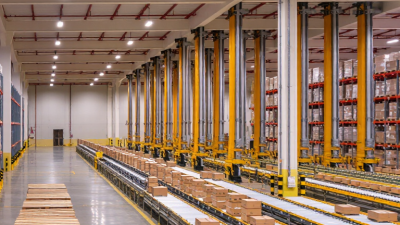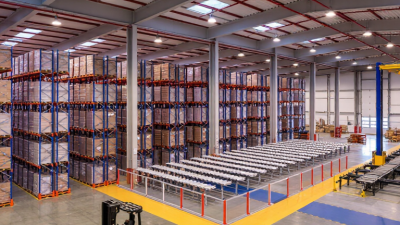
What Is Pallet Shelving and What Types Are Available?

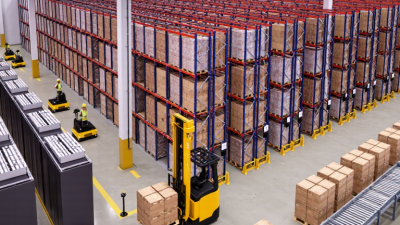
Pallet Shelving is more than a row of steel frames. It is a storage system that supports palletized goods, keeps inventory visible, and helps forklifts move through a warehouse. The right design can make daily work smoother. The wrong one can leave awkward gaps, blocked aisles, or pallets that are hard to reach.

Warehouse-design expert Edward Frazelle has written extensively about aligning storage with warehouse operations. Paraphrasing that principle: storage should support product flow, not capacity alone. That distinction matters. A distributor with many fast-moving items may need direct access to each pallet, while a facility storing large batches may value dense storage more. Aisle width, load size, ceiling height, and handling equipment all shape the decision.

This guide explains what Pallet Shelving is and how common systems differ. It introduces selective pallet racking, drive-in and drive-through racks, push-back systems, pallet-flow racks, and cantilever shelving. Each option brings trade-offs in access, density, and inventory rotation. Some details are easy to overlook. A beam rating, for example, means little if the actual pallet load is uneven or poorly supported. I would not choose a system from capacity figures alone. The warehouse floor tells part of the story, but so do picking habits, product changes, and the occasional blocked aisle.
What Is Pallet Shelving and What Types Are Available?

What Is Pallet Shelving and How Does It Work?

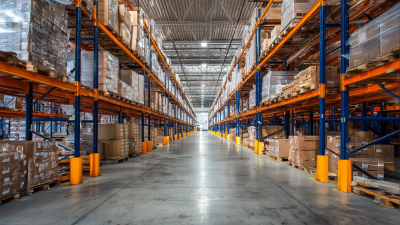
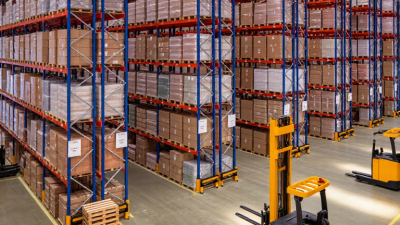
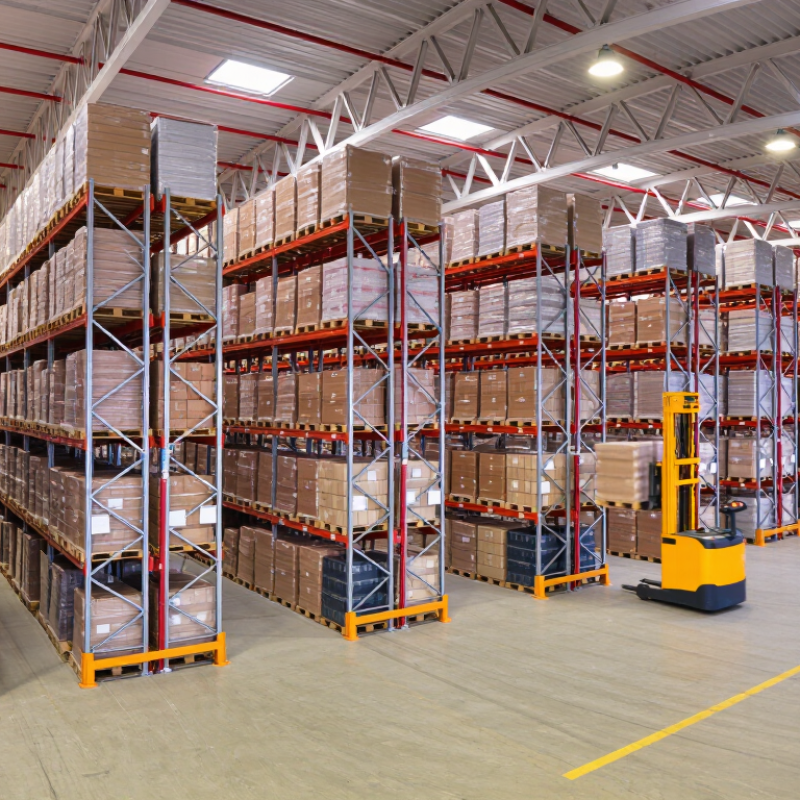
Pallet shelving, often called pallet racking, stores goods on pallets in a steel frame. Upright frames form the vertical supports. Horizontal beams connect them and create storage levels. A forklift places each pallet onto a pair of beams, where the load rests securely. Simple in principle.

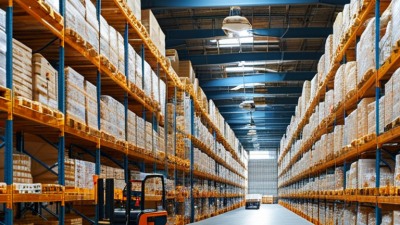
The system works by organizing loads into accessible rows, often with aisles wide enough for a forklift to turn. Workers can retrieve individual pallets without moving the ones beside them. That access is useful, but it takes floor space. In a typical selective layout, every pallet has a direct approach from an aisle. Beam heights can be adjusted to fit different goods, provided the frame design allows it.

Safe operation depends on more than the rack’s appearance. Each bay has a rated capacity, and pallet weight, size, condition, and placement all matter. Loads should sit evenly across the beams, not hang over them or rest on damaged boards. A trained professional should confirm the layout and capacity for the intended loads. Check for bent uprights, loose connections, or impact damage during routine inspections. I have seen a neat-looking installation create false confidence; small alignment issues can be easy to miss. Don’t guess.

What Are the Main Components of a Pallet Shelving System?

A pallet shelving system is built from a few parts that work together to support stored loads. Upright frames form the vertical structure, with perforated columns that let installers adjust beam heights. Horizontal beams connect the frames and carry pallet weight. Their connectors must seat fully in the uprights; a partly engaged beam can create a serious weak point. Every bay has limits, so capacity should be checked for both individual beam levels and the full frame.

Decking sits across the beams when pallets need more continuous support. Depending on the design, it may use wire mesh or solid panels. Anchors secure the uprights to the floor, while row spacers can keep back-to-back frames aligned. Column guards help protect frame legs from impacts near busy forklift routes. Load signs show the permitted capacity, but they are only useful when they match the installed layout. A changed beam position can make an old sign inaccurate.

Tips: Check connectors, anchors, and uprights during routine inspections. Look for bent steel, loose fasteners, or damaged decking. Small changes matter. Keep pallets centered and within the beam span, and never assume a system’s rating from appearance alone. Measurements and load details should be confirmed before use. One easy-to-miss issue is uneven flooring; even sturdy components may not sit as intended on a poor surface.

What Types of Pallet Shelving Are Available?

Pallet shelving, often called pallet racking, comes in several layouts for different storage and picking needs. Selective pallet racking is the familiar option: each pallet has a direct aisle-facing position. Forklifts can reach individual loads without moving others. It works well when products change often, though it uses more aisle space than denser systems. Space matters.

Double-deep racking stores pallets two positions deep, reducing the number of aisles but requiring equipment that can reach the rear position. Drive-in and drive-through systems let forklifts enter the rack lanes. They suit larger quantities of similar goods, but access is less flexible: the last pallet placed may be the first one that must be moved. Push-back racks use carts to store pallets several positions deep, while pallet-flow racks use rollers to move loads toward the picking face.

Cantilever racks are another option for long or awkward loads, such as timber or pipes, rather than standard palletized goods. The right layout depends on inventory turnover, pallet dimensions, forklift type, and available floor space. A plan can look efficient on paper and still create bottlenecks at busy aisles. Check load ratings and rack condition, and have the system assessed by a qualified professional before installation or changes.

How Do Different Pallet Shelving Types Compare?

Pallet shelving systems differ mainly in access, storage density, and how pallets move. Selective racking gives forklift access to every pallet position, making it practical for mixed products and frequent picking. The trade-off is wider aisles and lower storage density. A damaged pallet is usually easier to reach, too.

Drive-in racking stores pallets several deep, so forklifts enter the lanes. It can suit large quantities of similar goods, but access follows a last-in, first-out pattern. Push-back systems use carts to move pallets toward the aisle, reducing forklift travel into the rack. Pallet-flow systems use rollers and gravity for first-in, first-out rotation. Both improve density, but require compatible pallets and careful upkeep. Small differences matter.

Cantilever shelving is more suitable for long, awkward loads than standard pallet positions. In a real warehouse, the best choice depends on turnover, pallet condition, forklift type, and floor space—not density alone. A tidy capacity estimate can miss daily bottlenecks. Check load ratings and aisle clearances against actual operating conditions, and leave room for damaged goods or uneven pallets.

What Is Pallet Shelving and What Types Are Available? — How Do Different Pallet Shelving Types Compare?

Pallet Shelving Type How It Works Storage Density Pallet Selectivity Typical Stock Rotation Best Suited For Main Trade-Off
Selective racking Each pallet is stored in an individual position and accessed from the aisle. Low to moderate; aisles use a significant share of floor space. Very high; every pallet position is directly accessible. Flexible; suitable for mixed or changing stock. Warehouses with many product lines, smaller quantities per SKU, or frequent picking. Direct access is easy, but aisle space can limit storage density.
Double-deep racking Two pallet positions are placed one behind the other; a deep-reach truck is generally required. Moderate to high; fewer aisles may be needed than with selective racking. Moderate; the front pallet must be moved to reach the rear pallet. Usually LIFO within each two-pallet position. Operations with multiple pallets per SKU and reasonably consistent stock turnover. Improves space use but requires compatible equipment and reduces immediate access to rear pallets.
Drive-in racking A forklift enters a storage lane and places pallets on rails; lanes are typically accessed from one end. High; deep lanes reduce the number of aisles. Low; pallets in a lane are generally handled in sequence. Typically LIFO. High-volume storage of a limited number of SKUs, especially where space is constrained. High density comes with less selectivity and the need for careful forklift operation inside lanes.
Drive-through racking Similar to drive-in racking, but lanes can be accessed from both ends. High; deep storage lanes reduce aisle requirements. Low to moderate; access depends on lane depth and operating sequence. Can support FIFO when pallets are loaded at one end and retrieved at the other; LIFO operation is also possible. Large quantities of the same product where access from both ends is practical. Requires coordinated access and enough space at both ends of the lanes.
Push-back racking New pallets push previously stored pallets backward on nested carts or inclined rails; loading and retrieval occur from the aisle. High; multiple pallet positions are stored in depth without a forklift entering the lane. Low to moderate; pallets are retrieved in sequence from each lane. Typically LIFO. Several pallets per SKU where dense storage and quick aisle-side handling are useful. Not ideal for strict FIFO rotation; pallets and equipment must be compatible with the system.
Pallet flow racking Pallets move by gravity along inclined roller or wheel lanes from the loading end to the picking end. High; deep lanes reduce aisle space and keep replenishment separate from picking. Low within a lane; each lane is generally assigned to a SKU. FIFO. Fast-moving, date-sensitive, or batch-controlled goods with several pallets per SKU. Requires suitable pallets, maintenance of flow components, and careful lane planning.
Mobile racking Rack rows move on powered or manually operated bases, opening an aisle only where access is needed. High; space normally used for multiple fixed aisles can be reduced. High when the required aisle is opened, though access may take longer than in fixed selective racking. Flexible; depends on the layout and stock-handling process. Facilities that need direct access to many SKUs but have limited floor space. Access depends on moving the racks; installation, controls, and safety procedures add complexity.

Note: Pallet shelving is a storage structure that supports palletized loads, usually on beams, rails, or moving bases. Actual capacity, aisle width, and storage density depend on the building, load dimensions, equipment, rack design, and applicable safety requirements.

What Factors Guide the Choice of a Pallet Shelving System?

Choosing a pallet shelving system starts with the load, not the aisle. Record each pallet’s dimensions, gross weight, and overhang, then check how many pallets each level must support. A rack rating depends on its configuration, so changing beam heights or adding levels can affect capacity. Have the proposed layout checked against the actual loads.

How quickly must staff reach each pallet? Selective racks provide direct access, while denser systems can reduce aisle space but may limit access to individual loads. Match the design to forklift turning clearance, lift height, and the routes people use on a busy shift. A few centimeters can matter. Also check floor condition, ceiling height, sprinkler clearance, and exposure to moisture or temperature changes. These details are easy to overlook on a drawing.

Think about change, too. A warehouse storing the same pallet size year-round may suit a different layout from one with seasonal stock and frequent product changes. Allow room for inspections and safe handling, and use protective measures where vehicle impacts are plausible. A tidy spreadsheet can still miss a dented upright or an uneven floor. Confirm assumptions on site, document load limits, and review the arrangement when inventory or equipment changes.