China Top Storage Racking Systems Manufacturers?
Choosing among China’s top Storage Racking Systems manufacturers takes more than comparing prices or warehouse photographs. Buyers should examine load ratings, steel specifications, connection details, surface finishes, and installation support. A rack that looks sturdy may still be poorly matched to a facility’s pallet sizes, forklift routes, or floor conditions. Small details matter. Beam locks should fit securely; upright frames should arrive straight and consistently finished.
Warehouse researcher John J. Bartholdi III, co-author of Warehouse & Distribution Science, studies how warehouse design affects operations. A concise, original paraphrase of his warehouse-design perspective is: “Storage should support the movement of goods, not simply fill available space.” That distinction helps frame this comparison. The strongest manufacturer is not automatically the one offering the densest layout or lowest quotation. It is the supplier that can explain its engineering assumptions and support the system through planning, production, delivery, and installation. Verify claims with drawings, technical documents, and references for comparable projects.
This guide examines Chinese manufacturers through practical criteria: product range, customization, quality-control processes, communication, lead times, and after-sales service. It also considers whether a supplier can address selective pallet racks, drive-in systems, shelving, or automated storage needs. Ask how load data is validated and what documentation accompanies each project. Then check whether promised specifications appear in the final drawings and order documents. No shortlist can replace an independent review of site conditions. Even a well-made rack can disappoint when the layout ignores daily traffic or future inventory changes. That is an easy point to overlook.
What Storage Racking Systems Are and How They Work
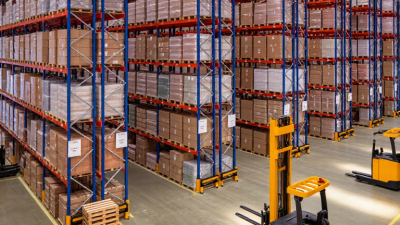
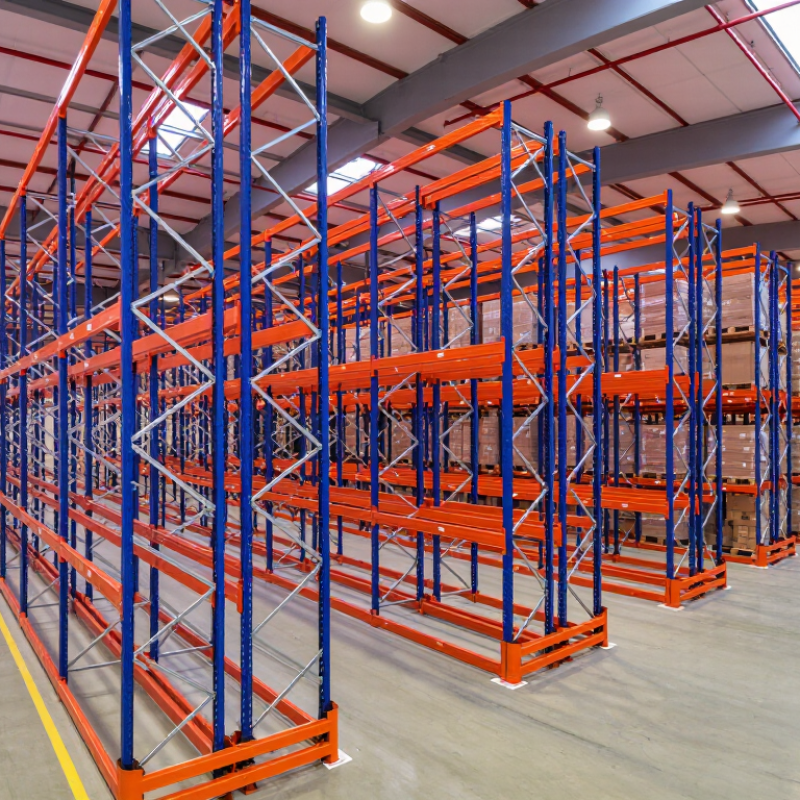
Storage racking systems are steel structures that organize palletized goods vertically and create clear access lanes for handling equipment. A typical rack uses upright frames, horizontal beams, and sometimes wire decking or solid shelves. Pallets rest on the beams, while the frames transfer weight down to the floor. That load path matters. A bent upright or poorly seated beam can affect the stability of a loaded bay.
Different layouts suit different stock patterns. Selective pallet racking gives direct access to each pallet, while drive-in systems store pallets more densely but reduce access options. Push-back racks can make better use of floor space when several pallets share a product line. For example, a forklift may place a pallet onto rails, where it moves back as another pallet is added.
Small details count. Aisle width, pallet size, floor condition, and forklift turning space all influence how well a layout works. In practice, plans can look efficient on paper yet feel cramped during busy shifts. Load ratings should be checked against the actual stored goods, and damaged components need prompt assessment. Regular inspections help identify loose connections, impact damage, or overloaded beams before small problems grow.
China’s Storage Racking Manufacturing Industry
China’s storage racking manufacturing industry serves warehouses, distribution centers, factories, and retailers. Production commonly combines steel cutting, roll forming, welding, surface treatment, and final assembly. A beam may look simple, but its profile, steel thickness, and connection details affect performance. Details matter.
Manufacturers often offer selective pallet racks, shelving, and drive-in systems, with dimensions adjusted to a facility’s layout. That flexibility helps, but customization can complicate installation or replacement if drawings are incomplete. Buyers should compare load ratings using the specified beam length and storage configuration, not just a headline capacity. Floor conditions and forklift clearances matter too.
Quality practices vary between factories. Useful checks can include dimensional inspection, weld examination, coating-thickness measurement, and documented load testing. Ask for current drawings, material specifications, and inspection records, then confirm that the delivered parts match them. A glossy catalogue is not proof. China’s manufacturing base can support large production runs and varied designs, yet lower prices may involve trade-offs in finish, documentation, or service. That deserves honest scrutiny. Samples and clear acceptance criteria make comparisons more reliable.
Major Types of Racking Systems Made in China
China Top Storage Racking Systems Manufacturers?
Major Types of Racking Systems Made in China
Warehouses in China produce and use several common racking designs, each suited to different goods and picking routines. Selective pallet racking gives forklifts direct access to every pallet. It is flexible for mixed inventory, though it uses more aisle space than compact systems. Measure pallet loads, beam spans, and forklift turning clearance before choosing a layout. Small details matter.
Double-deep racking stores pallets in two positions, reducing aisle count but requiring compatible reach trucks. Drive-in racking lets forklifts enter deep lanes, making it useful for large quantities of similar products. However, the first pallet loaded is often the last one retrieved. Carton-flow racks use inclined rollers to move boxes toward the picking face. That steady movement can help with frequent small-item orders.
Cantilever racks hold long, awkward items such as pipes, timber, or metal profiles on projecting arms. Mezzanine systems add a raised storage or work level when the building has enough clear height and suitable floor capacity. Steel grade, weld quality, coating, and installation tolerances deserve close review. Specifications can look convincing on paper, yet a poorly matched rack still creates daily bottlenecks. In practice, the best system depends on inventory, equipment, building constraints, and how workers actually move through the space.
Major Types of Storage Racking Systems Made in China
Typical pallet positions deep per storage lane
Selective racks commonly store pallets one or two deep; double-deep systems store two deep. Drive-in, push-back, and pallet-flow systems can accommodate deeper lanes. Actual configurations vary with the layout, equipment, and operating requirements.
How to Assess Leading Chinese Racking Manufacturers
Assessing leading Chinese racking manufacturers starts with matching their design to your warehouse, not comparing catalog prices. Share actual pallet dimensions, loaded weights, forklift aisle widths, and clear building height. Ask for project-specific drawings and stated beam and upright capacities. Generic capacity tables are not enough. Check that calculations account for floor conditions, seismic requirements, and your operating environment. Small details matter.
Verify production quality with evidence. Request material specifications, inspection records, and photos of finished components. If possible, visit the factory and inspect welds, hole alignment, coating coverage, and packaging. Look for consistent welds and cleanly finished edges, not just a polished showroom. Ask how steel batches are tracked and how defects are handled. Even careful audits miss things, so speak with customers who have used similar systems for several years.
Evaluate communication and support before placing an order. Can the engineering team answer technical questions clearly and revise drawings when site measurements change? Confirm lead times, replacement-part availability, installation guidance, and warranty terms in writing. Compare quotes line by line, including anchors, protectors, and freight. The cheapest offer may omit items needed for a complete installation. Keep a record of unanswered questions; those gaps deserve attention before production begins.
Industries and Applications Served by Chinese Racking Systems
Chinese storage-racking systems serve factories, distribution centers, retail warehouses, and temperature-controlled facilities. In manufacturing, selective pallet racks keep components near assembly lines, while long-span shelving holds cartons, tools, and maintenance parts. E-commerce operations often combine pallet storage with picking shelves, helping staff move from bulk inventory to individual orders. Cold stores may use drive-in racks to increase pallet density, but tight aisles and low temperatures make equipment choice especially important. Fit matters more.
Demand is supported by China’s expanding logistics activity. The China Federation of Logistics and Purchasing reported total social logistics value of 360.6 trillion yuan in 2024, up 5.8% year over year. That figure covers broad logistics activity, not racking sales, so it should not be treated as a direct market-size estimate.
The 2024 MHI Annual Industry Report also found that 55% of surveyed supply-chain professionals planned to increase technology investment over the following five years. This points to interest in automation, including automated storage and retrieval systems, but adoption varies by site. A careful layout starts with pallet dimensions, load weights, aisle access, fire-safety requirements, and order patterns. Small planning errors matter. Rack density can look impressive on paper, yet slow replenishment or awkward picking may reduce day-to-day throughput.
Related Posts
-
7 Tips for Choosing Storage Racking Systems
-
10 Best Warehouse Storage Racks for Global Buyers
-
Top China Warehouse Storage Racks Manufacturers?
-
8 Essential Benefits of the Top 5 Best Warehouse Shelving Systems for Global Buyers
-
Maximize Your Space: A Step-by-Step Tutorial on Choosing the Best Warehouse Shelving Racks
-
Future Insights on Best Warehouse Shelving Systems Market Trends and Examples Leading to 2025