What Are the Different Types of Pallet Racking?

Pallet Racking shapes how a warehouse stores, accesses, and moves palletized goods. The right system can use vertical space well and keep everyday picking practical. The wrong fit can create congestion, wasted capacity, or awkward handling. Small details matter: pallet dimensions, load weights, aisle width, ceiling height, and the equipment operators use.

There is no single design for every warehouse. Selective racking offers direct access to each pallet, while drive-in systems store goods more densely. Push-back and pallet flow racks support different approaches to product rotation. Cantilever racks suit long or bulky items, and mobile systems can reduce the number of fixed aisles. Each option has trade-offs. Space is money. Access matters, too. A layout that looks efficient on paper may feel awkward during a busy shift, so planning should account for actual workflows, not just storage capacity. This guide explains the main types of Pallet Racking, how they work, and what to consider when comparing them. Load ratings and installation details should be checked with qualified professionals and the system supplier. Even careful planning can miss something. That is worth remembering before committing to a layout.
What Are the Different Types of Pallet Racking?

How Pallet Racking Systems Are Structured

What Are the Different Types of Pallet Racking?

How Pallet Racking Systems Are Structured

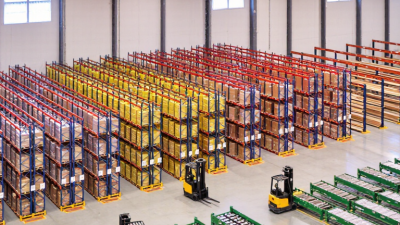
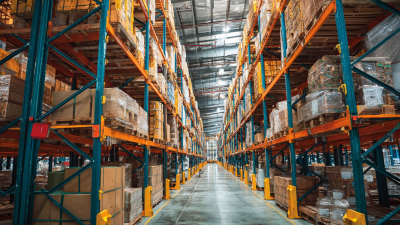
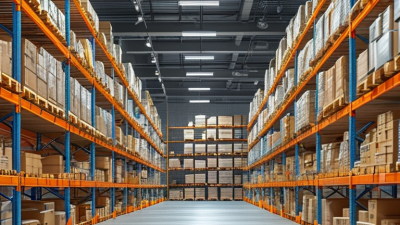
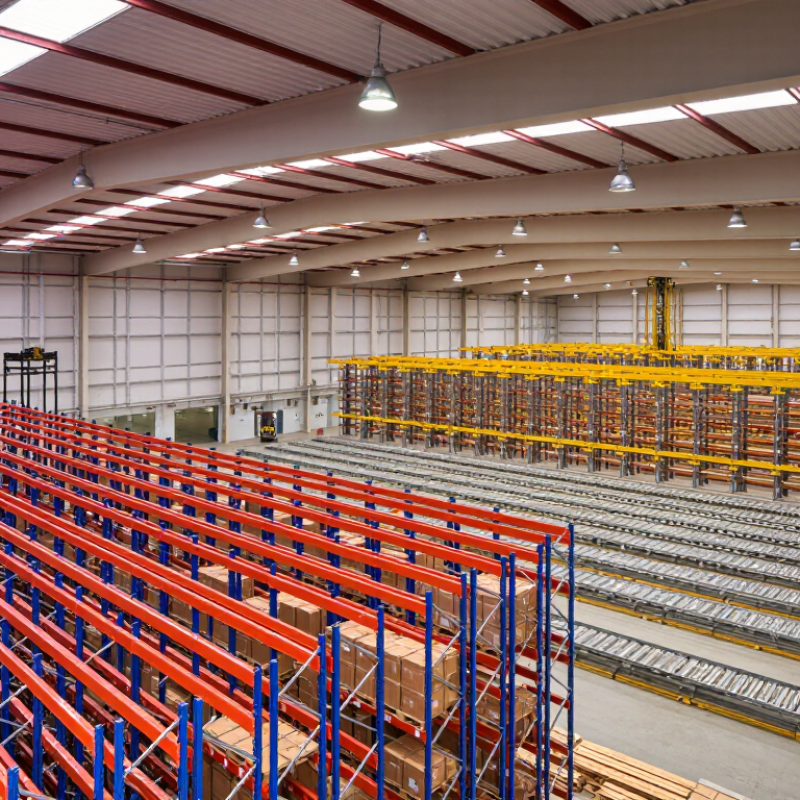
A pallet rack is built from upright frames joined by horizontal beams. Together, they form bays where pallets rest on pairs of beams. Upright frames contain vertical columns and diagonal braces, which help stabilize the structure. Beam levels set the vertical spacing for stored loads. Aisles between rows allow forklifts to reach each bay. The exact layout depends on pallet dimensions, handling equipment, and the building’s clear height.

Loads travel from the pallet to the beams, then through the frames to the floor. That path matters. Beam capacity and frame capacity are not interchangeable, and ratings depend on the specific configuration. Rack design should account for pallet weight, load placement, floor conditions, and possible impacts from moving equipment. A layout can look efficient on paper but feel awkward in daily use. Measure actual pallets and turning space before finalizing the plan.

Tips: Keep heavier pallets on lower levels when practical. Check that every pallet sits securely on both beams, with no damaged rack parts or blocked aisles. Follow the system’s posted load limits, and ask a qualified rack professional to review changes. Small measurement errors can create big headaches.

Selective Pallet Racking for Direct Pallet Access

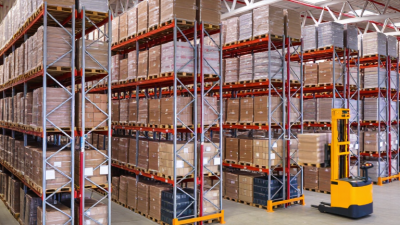
Selective pallet racking gives forklift operators direct access to each pallet from an aisle. Pallets sit one deep, making individual products easier to retrieve without shifting neighboring loads. Need one specific SKU? The driver can reach its position directly. No reshuffling. This layout suits warehouses with many product types, frequent picking, or uneven demand across SKUs.

The trade-off is aisle space. Because forklifts need access to each rack face, selective layouts may store fewer pallets in the same floor area than deep-lane systems. MHI’s 2024 Annual Industry Report found that 55% of surveyed organizations were increasing investment in supply-chain technology. That figure is not a measure of rack performance, but it reflects pressure to improve warehouse operations. Direct access can help workers locate stock; it cannot fix inaccurate inventory records.

Before choosing a layout, measure pallet dimensions, loaded weights, forklift turning radius, and required aisle width. Check beam ratings against actual loads, including uneven ones. A rack may look sturdy and still be poorly suited to a changing product mix. Leave room for safe handling and inspections. Small details matter.

High-Density Racking for Space-Efficient Storage

High-density racking makes better use of warehouse height and floor area by storing more pallets within a given footprint. Options include drive-in, push-back, pallet-flow, and mobile racking. Each changes how goods enter and leave storage. Drive-in systems suit larger quantities of similar products, while pallet-flow lanes use gravity to move pallets toward the picking face. Useful, but not universal.

MHI’s 2024 Annual Industry Report found that 55% of respondents planned to increase investment in supply-chain technology over the next five years. That investment can support better slotting and inventory visibility, both important when dense layouts reduce direct access to individual pallets. Before choosing a system, warehouse teams should check pallet dimensions, forklift turning space, product rotation, and fire-protection requirements. A layout that looks efficient on paper may create slow replenishment or awkward picks in daily use.

High density also brings trade-offs. Drive-in racks can limit selectivity, and a blocked aisle may affect access to several pallets. Flow systems need careful pallet and load checks; inconsistent loads can stall or move unevenly. Start with a measured plan, then test real picking and replenishment routes. Leave room for inspection and safe equipment movement. A little spare space can be valuable.

Specialized Racking for Unique Loads and Workflows

Specialized pallet racking fits loads and workflows that standard selective racks may handle poorly. Cantilever racks use open arms to store long goods such as timber, pipes, or metal sections. Workers can place items from the front without navigating around upright frames.

The arm length, spacing, and rated capacity must match the actual load. A bundle that overhangs too far can create an unstable pick. Small details matter.

Coil and reel cradles support rounded loads that could roll on flat beams.

For fast-moving cartons, carton-flow racks use inclined rollers to move stock toward the picking face. This can reduce walking, but it also needs careful replenishment and regular roller checks. A jammed carton changes the workflow quickly. That part is easy to overlook.

Drive-in racks may suit operations storing many pallets of the same product, though access is less direct than in selective systems.

Before choosing any design, measure the load, aisle width, handling equipment, and available clear height. Real warehouse conditions can differ from a tidy plan, so test the layout with operators before installation.

Comparing Racking Types by Access, Capacity, and Space

What Are the Different Types of Pallet Racking?

Comparing Racking Types by Access, Capacity, and Space

Selective racking gives workers direct access to every pallet. It suits warehouses with many product lines, but wide aisles can reduce storage density. Double-deep racking places pallets two positions deep. It saves aisle space, though staff need suitable reach equipment and lose immediate access to rear pallets. Small trade-off. Drive-in systems store pallets along deep lanes, using fewer aisles and increasing capacity. They work best with fewer product types and steady, larger batches. Access is less flexible, and loading order matters.

Tips: Measure pallet size, load weight, aisle width, and equipment turning space before choosing a layout. Check rack load plaques and have a qualified professional verify capacity. A compact plan can look efficient on paper, then feel awkward when a forklift turns.

Push-back racking stores several pallets per lane, with each new pallet pushing the previous one back. It often suits last-in, first-out stock rotation. Pallet-flow racking uses rollers to move pallets toward a picking face, supporting first-in, first-out rotation and frequent access at separate ends. Both can increase density, but their moving parts and operating needs deserve attention. The best choice is not always the tightest layout; actual order patterns may expose a few inconvenient compromises.

What Are the Different Types of Pallet Racking? - Comparing Racking Types by Access, Capacity, and Space

Racking Type Pallet Access Selectivity Space Efficiency Capacity Considerations Common Applications
Selective (Single-Deep) Racking Direct access to every pallet from the aisle. High; each pallet position can be reached independently. Low to moderate; aisles take up a significant portion of the floor area. Stores one pallet deep per rack face. Beam and frame capacities must be specified for the load, layout, and operating conditions. Warehouses with many product lines, frequent picking, or varied stock rotation.
Double-Deep Racking Access from the aisle to the front and rear pallet positions; a reach truck or suitable attachment is typically required. Moderate; rear pallets are less directly accessible than front pallets. Higher than single-deep selective racking because fewer aisles may be needed. Stores pallets two deep. The rear position can have different access and handling requirements; equipment and rack ratings must suit the design. Warehouses holding multiple pallets of the same product with moderate turnover.
Drive-In Racking A lift truck enters the rack lane; access is generally from one end. Low; pallets within a lane are handled in a last-in, first-out sequence. High; deep lanes reduce aisle space and increase storage density. Stores multiple pallets deep and often multiple levels high. Lane depth, rail design, pallet condition, and truck operation affect the system’s rated capacity. Large quantities of similar products with relatively few stock-keeping units.
Drive-Through Racking A lift truck can enter from either end of the lane. Low to moderate; access from both ends allows a first-in, first-out flow when the operation is managed accordingly. High; uses deep storage lanes, though access aisles are needed at both ends. Stores multiple pallets deep. The rack must be engineered for the loads, lane configuration, and expected handling method. High-volume storage where product rotation is important and both ends of a lane can be accessed.
Push-Back Racking Pallets are loaded and retrieved from the aisle; each new pallet pushes the preceding pallet farther back on carts or inclined rails. Moderate; typically operates last-in, first-out within each lane. High; several pallet positions are stored deep while maintaining aisle access. Lane depth and cart configuration determine the number of positions. Loads must be compatible with the system’s carts, rails, and engineered ratings. Multiple pallets per product where higher density is needed without drive-in truck travel.
Pallet Flow Racking Pallets are loaded at the higher end and move by gravity toward the retrieval aisle. Moderate to high for product rotation; lanes generally support first-in, first-out flow. High; deep lanes and reduced cross-aisles can use floor space efficiently. Lane length, pallet consistency, roller design, brakes, and flow controls affect performance and capacity; the system requires suitable pallets and engineered specifications. High-throughput operations, date-sensitive inventory, and distribution picking.
Mobile (Movable-Aisle) Racking Racks move to open one working aisle at a time; only the selected aisle is directly accessible. High within the opened aisle, but simultaneous access to multiple aisles is limited. Very high; reduces the number of permanent aisles required. Storage positions are carried on mobile bases. Floor condition, base design, controls, and structural ratings must be considered in the system design. Cold storage, archives, or other facilities where floor space is costly and access can be scheduled.
Cantilever Racking Open fronts provide access to long or irregular items without obstructing front columns. High for items stored along accessible arms. Moderate; useful for long loads, but storage density depends on item length and handling aisles. Arm and column capacities depend on load weight, length, distribution, and the number of arms supporting each item. Lumber, pipe, tubing, furniture, and other long or bulky materials.

Capacity note: Rack load limits are not universal. Have the system designed and rated for the specific pallet dimensions, load weights, rack configuration, floor conditions, and handling equipment.