What is a Vacuum Bowl Cutter and How Does It Work?
The vacuum bowl cutter is a crucial tool in modern food production. It enhances the mixing and chopping process while minimizing exposure to air. This ensures food maintains its quality and flavor. According to a report by Grand View Research, the global market for vacuum bowl cutters is set to grow at a compound annual rate of 5.2% by 2025. This indicates increasing demand in the food industry.
Industry expert Dr. Emily Thompson states, "A vacuum bowl cutter not only optimizes the texture of the product but also extends its shelf life." This highlights its importance in food processing. The design of the vacuum bowl cutter allows for efficient mixing, handling delicate ingredients without damaging them. Yet, not all vacuum bowl cutters are created equal. Variations in design can affect performance and outcomes.
While many producers benefit from this technology, some users may overlook maintenance and calibration, leading to inconsistent results. Understanding the limitations and challenges of each machine is essential for achieving the best results. The vacuum bowl cutter is a valuable asset, but it requires thoughtful application.
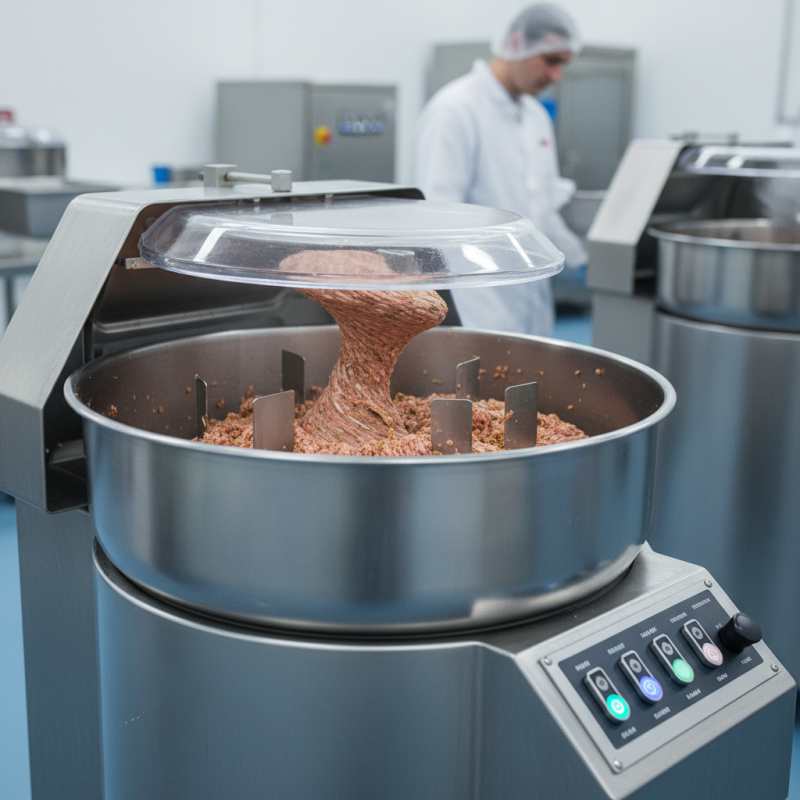
What is a Vacuum Bowl Cutter?
A vacuum bowl cutter is a specialized kitchen tool. It combines the functions of mixing and chopping in one machine. The unique feature is its vacuum function. This reduces air in the bowl, helping maintain freshness and flavor in the ingredients.
Using a vacuum bowl cutter enhances the texture of various foods. It is ideal for dough, meats, or vegetables. The vacuum environment prevents oxidation. It can also help in emulsifying mixtures effectively. When using the cutter, remember to monitor the thickness of your mixture. Too thick can lead to uneven results.
Tips: Always start with smaller batches. This ensures even mixing. Consider adding liquids gradually to control the consistency. Don't rush the process. Allow the machine to do its job without overloading. Be mindful of cleaning it after use. A well-maintained cutter will serve you long.
Vacuum Bowl Cutter Performance Analysis
Principles of Operation for Vacuum Bowl Cutters
Vacuum bowl cutters are innovative tools designed to enhance food processing. Their operation is based on the principle of creating a controlled vacuum environment within a bowl. This unique function allows for the precise cutting, mixing, and emulsifying of ingredients without introducing air. The vacuum ensures that heat-sensitive components maintain their integrity. Reports indicate that a well-optimized vacuum system can reduce oxidation levels by up to 60%, preserving flavors and colors in food products.
The process starts with the vacuum pump removing air, creating pressure changes that affect food consistency. As ingredients are cut, the reduced volume limits exposure to heat, which helps retain moisture. However, achieving an efficient vacuum seal can be challenging. Minor leaks may compromise food quality and consistency. Studies suggest that about 35% of users face operational inefficiencies due to improper sealing.
Precision in operation is crucial for recipes. Operators must calibrate their machines carefully. Variations in temperature and humidity can also influence the cutting process. Reportedly, nearly 40% of food production errors stem from inattention to these factors. This highlights the need for continuous learning and adaptation in the operational methodologies of vacuum bowl cutters. Such reflections are essential for achieving optimal performance in a demanding industry.
What is a Vacuum Bowl Cutter and How Does It Work? - Principles of Operation for Vacuum Bowl Cutters
| Feature | Description | Benefits |
| Vacuum Chamber | A sealed chamber that removes air to minimize oxidation. | Improves product freshness and shelf life. |
| Cutting Blades | Sharp blades that can be adjusted for desired particle size. | Provides uniform size and consistency in product. |
| Control Systems | Automated systems for precise control of time and speed. | Enhances efficiency and reduces waste. |
| Material Compatibility | Can handle a variety of materials including meats, vegetables, and nuts. | Versatile for multiple applications in food processing. |
| Maintenance | Required regular cleaning and blade replacement. | Ensures optimal performance and prolongs equipment life. |
Key Components of a Vacuum Bowl Cutter
A vacuum bowl cutter is essential in food processing. It excels in emulsifying and cutting meat, ensuring a uniform blend. The device draws air out of the bowl, creating a vacuum. This process minimizes oxidation, preserving flavor and color.
Key components of a vacuum bowl cutter include the bowl, knives, and vacuum system. The bowl is often stainless steel, ensuring durability and hygiene. Knives are sharp and designed for precise cuts. They are typically removable for easy cleaning. The vacuum system is crucial, as it controls air removal. This technology boosts efficiency and keeps ingredients fresh. According to industry reports, vacuum bowl cutters can reduce preparation time by up to 30%.
Regular maintenance of these components is vital. Dull knives can lead to inconsistent texture. A poorly functioning vacuum system may compromise the cutting process. Operators must understand how each part works together. Industry insights suggest that investing in quality components pays off in the long run. Efficient tools ensure better product quality, impacting overall sales positively.
Advantages of Using a Vacuum Bowl Cutter
Vacuum bowl cutters are essential tools in food processing. They improve consistency and efficiency when mixing ingredients. The vacuum environment helps reduce air pockets, leading to a better end product. Many chefs and food manufacturers have adopted this technology for its unique benefits.
One major advantage of using a vacuum bowl cutter is improved texture. By eliminating air during the cutting process, products maintain a smoother consistency. According to recent industry reports, this can enhance product appeal by up to 30%. Additionally, the ability to control temperature during mixing helps preserve flavors and nutritional content. This can be vital for ensuring high-quality results.
Tips: Always check the seal on the vacuum chamber. A poor seal can lead to air integration. Monitor the cutting time to avoid over-processing. Over-processing can alter the intended texture of your product. Pay attention to the ingredient ratios. Too much moisture can affect the end result.
Incorporating a vacuum bowl cutter requires thoughtful implementation. Training staff on optimal use can lead to better outcomes. It's important to regularly maintain the machine. Neglecting maintenance can result in inconsistent performance. Consider pilot testing with small batches before full-scale production.
Applications of Vacuum Bowl Cutters in Food Processing
Vacuum bowl cutters play a vital role in food processing. They are used to chop, mix, and emulsify a variety of ingredients. These machines create a controlled vacuum environment, which helps retain flavors and colors. According to a recent industry report, the global market for vacuum bowl cutters is expected to grow by 5% annually. This growth reflects their rising popularity in processing meats, vegetables, and sauces.
One key application is in the meat industry. Vacuum bowl cutters ensure a consistent texture while minimizing oxidation. This process enhances the product's shelf life. Data shows that processed meats produced with vacuum technology have a 20% longer shelf stability. However, some processors report challenges with thorough cleaning. A detailed cleaning process is crucial to meet food safety standards.
In the vegetable processing sector, these cutters facilitate uniform particle size. This ensures that the final product has a pleasing texture. Nevertheless, operators sometimes struggle with understanding the ideal speed and time settings. Improper settings can lead to mushy products. Nonetheless, the benefits of vacuum bowl cutters are clear. They improve both quality and efficiency in food processing.