Top 5 Copper Fittings You Should Consider for Your Projects?
When it comes to plumbing and HVAC projects, choosing the right components is crucial. Copper Fittings, known for their durability and reliability, have been a top choice among professionals. According to a report by the Copper Development Association, the demand for copper fittings has grown by over 15% in the past five years. This trend highlights their significance in both residential and commercial projects.
Copper fittings offer excellent corrosion resistance and thermal conductivity. They are a valuable investment that can enhance system efficiency. With numerous options available, it's essential to select fittings that meet your specific needs. However, some may overlook the importance of quality, leading to potential future issues.
As industries evolve, understanding the performance metrics of these fittings becomes vital. Many professionals report that improper selection can lead to increased costs and project delays. Copper fittings, despite their advantages, require careful consideration to ensure the success of your projects. Exploring the top five copper fittings can help you make informed decisions and avoid costly mistakes.
Overview of Copper Fittings in Construction and Plumbing Projects
Copper fittings play a crucial role in construction and plumbing projects. They provide reliable connections in piping systems. According to the Copper Development Association, over 90% of plumbing systems in the U.S. utilize copper. This highlights its prevalence and importance. The durability of copper fittings often leads to lower long-term costs due to fewer leaks and repairs.
In addition to durability, copper has natural antimicrobial properties. This is significant for plumbing applications where public health is a concern. The World Health Organization (WHO) has recognized copper's ability to reduce bacteria in drinking water systems.
Despite these benefits, some projects face challenges when working with copper. High costs compared to alternatives can deter some contractors. The fluctuating prices of raw materials add another layer of complexity. It's essential to evaluate the project requirements carefully before selecting the appropriate materials.
Some professionals acknowledge that copper fittings may be less flexible during installation. This can lead to increased labor costs in tight spaces. While copper remains a top choice, trends indicate a growing interest in PEX and other materials. These alternatives offer ease of installation and lower initial costs. However, the long-term reliability of these options remains a topic of debate in the industry.
Key Features and Benefits of Using Copper Fittings
Copper fittings are essential in plumbing and HVAC systems. They offer many advantages that make them a preferred choice. One significant feature is their resistance to corrosion. Copper can withstand moisture and various chemicals, ensuring longevity. This durability leads to fewer replacements, saving costs in the long run.
Another benefit is their excellent thermal and electrical conductivity. Copper fittings facilitate efficient heat transfer, making them ideal for heating and cooling applications. Their conductivity also benefits electrical systems, enhancing performance. However, it's crucial to ensure proper installation. Inexperienced installers might overlook necessary fittings or use incorrect methods, leading to leaks.
Moreover, copper fittings are recyclable, promoting sustainability. They can be reused without degrading their quality. This environmental advantage is appealing in today’s eco-conscious market. Yet, the price of copper can be a concern. Project budgets may be strained when choosing premium materials. It’s essential to weigh the pros and cons when integrating copper fittings into your projects.
Top 5 Essential Copper Fittings for Residential Projects
When planning residential projects, selecting the right copper fittings is crucial. Copper is favored for its reliability and conductivity. According to the Copper Development Association, copper pipes reduce the risk of corrosion and maintain clean water supply. Here are five essential fittings that should be on your radar.
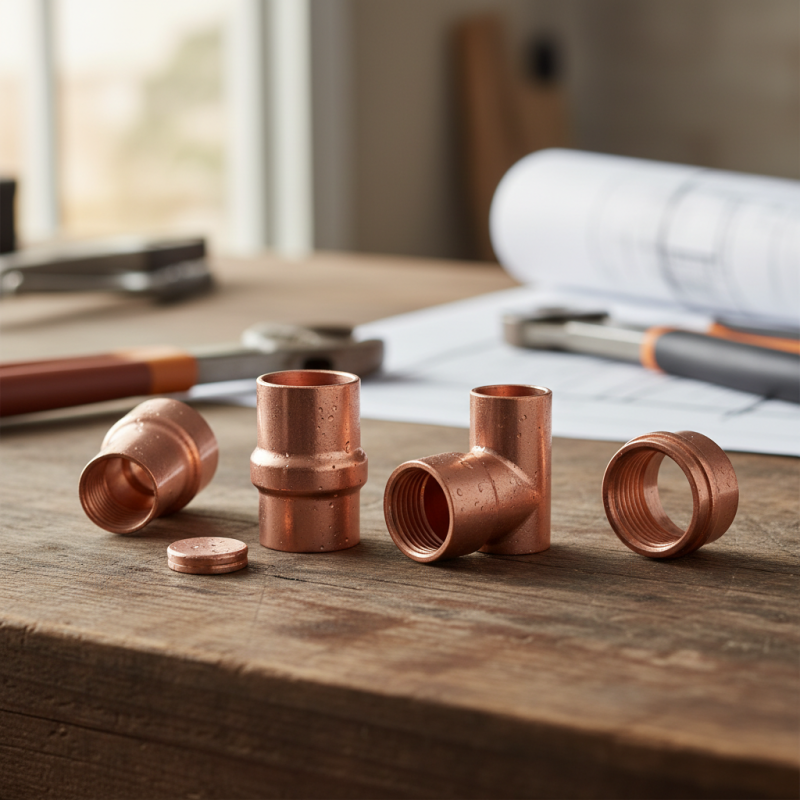
Elbows, tees, and couplings are staples for directing flow and connecting pipes. Using these fittings helps in achieving efficient layouts. You might encounter some difficulty aligning pipes. Regular checks can mitigate issues that lead to leaks.
A critical tip is to consider the size of fittings. Misjudgment can cause delays and additional costs. It's best practice to measure twice before purchasing. Also, be open to using various types of fittings for different applications. This flexibility can improve system performance, although it sometimes leads to confusion during installation.
Compression fittings are another option for easy assembly, especially in tight spaces. While they can simplify processes, be cautious about overtightening, which can cause damage. Balancing reliability and accessibility is key to successful installations.
Overall, taking time to choose the right copper fittings can enhance your project outcomes. Each fitting plays a vital role in ensuring a leak-free, efficient plumbing system.
Top 5 Essential Copper Fittings for Residential Projects
| Fitting Type | Description | Common Uses | Size Options |
| 90-Degree Elbow | Used to connect two pipes at a right angle. | Heating and cooling systems, plumbing. | 1/2", 3/4", 1" |
| Tee Fitting | Allows branching off from a main line. | Water supply lines, gas lines. | 1/2", 3/4", 1" |
| Coupling | Used to connect two straight pipes. | Plumbing and heating installations. | 1/2", 3/4", 1" |
| Cap | Used to close off the end of a pipe. | Water supply lines, heating systems. | 1/2", 3/4", 1" |
| Reducer | Used to connect pipes of different diameters. | Plumbing and HVAC systems. | 1/2" - 3/4", 3/4" - 1" |
Criteria for Choosing the Right Copper Fittings
When selecting copper fittings for your projects, several criteria come into play. The type of application plays a crucial role. Consider whether the fittings will be used for plumbing, HVAC, or electrical work. Each application demands different standards for performance and durability.
Material quality is another important factor. Look for fittings made from high-purity copper. These offer better corrosion resistance and longevity. In addition, ensure that the fittings comply with local codes and regulations. This is essential for safety and reliability.
Tips: Always confirm the fitting size aligns with your pipes. A loose fit can lead to leaks. Also, consider whether soldered or compression fittings work best for you. Your project’s specific needs will drive this decision.
Think about the aesthetics as well. Copper fittings can add a touch of elegance to exposed plumbing. However, they may develop patina over time. This can either enhance or detract from the look, depending on personal preference. Be open to how this might affect your project’s overall appeal.
Top 5 Copper Fittings You Should Consider for Your Projects
Maintenance Tips for Long-Lasting Copper Fittings
Copper fittings are essential for various plumbing and HVAC projects. They are known for their durability and reliability. However, to maximize their lifespan, proper maintenance is crucial. Regular checks and cleaning can prevent corrosion and prolong the life of copper fittings.
One key maintenance tip is to inspect the fittings regularly for any signs of wear or damage. Look for discoloration or greenish stains, which may indicate corrosion. Clean the fittings periodically using a mild detergent and a soft cloth. Avoid harsh chemicals that can damage the metal. Additionally, ensure that joints are properly fitted. Loose fittings can lead to leaks, causing extensive damage over time.
Keep in mind the potential for oxidation. In humid environments, copper can tarnish more quickly. Applying a protective coating may help reduce this issue. It’s important to create the right balance between aesthetics and functionality. Sometimes, the best-looking fittings may not be the most durable. Reflecting on the choices you make can lead to better decisions in the long run.