Top 10 Sewage Water Tank Manufacturers for Global Buyers
Reliable wastewater infrastructure starts with choices that suit the site, not simply the largest advertised capacity. UN-Water’s 2024 SDG 6 progress update estimates that 42% of household wastewater was not safely treated in 2022. That represents about 113 billion cubic metres. The figures underline why storage, equalization, and treatment systems need dependable engineering.
A Sewage Water Tank may be built from concrete, steel, or engineered plastics. Each material brings trade-offs in corrosion resistance, transport, installation, and maintenance. Buyers should compare usable capacity, design assumptions, access for cleaning, and the manufacturer’s technical support. A product brochure can look convincing. Site conditions may tell a different story.
This guide introduces 10 manufacturers for global buyers, with attention to product range, project experience, customization, and service coverage. These factors help frame a useful shortlist, but they do not replace engineering review. Check current specifications, references, and applicable local requirements before purchasing. Even careful comparisons leave uncertainty; suppliers may describe similar products in different ways. That deserves a second look.
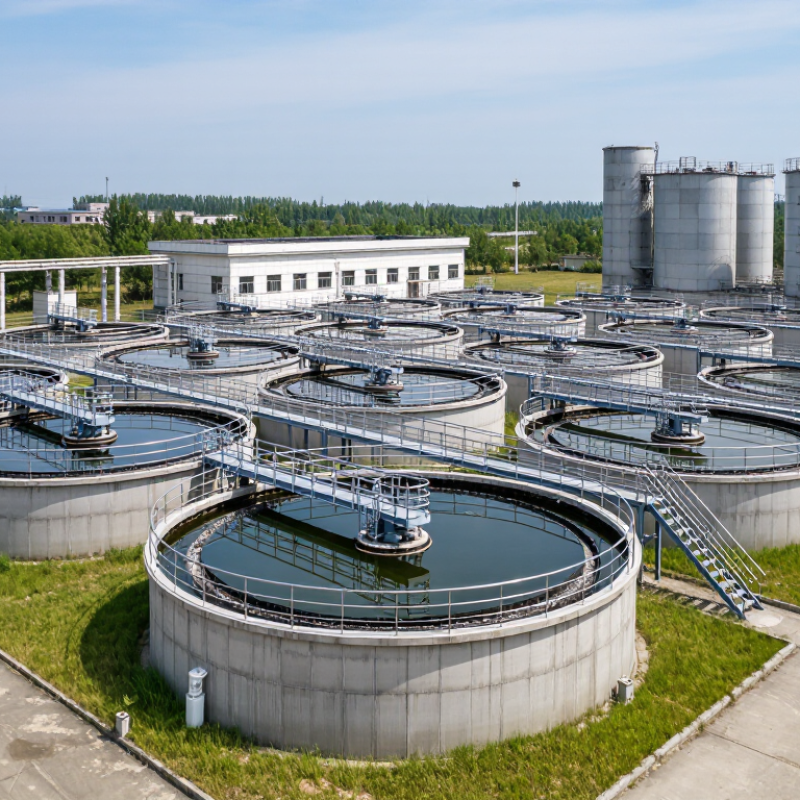
Classify Sewage Tank Duties: Equalization, Sludge Holding, and Wet Wells
Before comparing sewage water tank manufacturers, define the tank’s duty. An equalization tank smooths changing flows and pollutant loads before downstream treatment. Review hourly inflow records, not just the daily average. A sudden morning surge can raise levels quickly. Mixing may prevent settling, but excessive agitation can waste energy. That distinction matters.
Sludge holding tanks need room for solids, withdrawal, and cleaning. Their useful volume depends on sludge concentration and removal frequency, not simply total plant flow. Check inlet and outlet placement, access for washdown, and provisions for measuring accumulated material. Wet wells serve a different purpose: they provide a sump for pumps and help manage pump cycling. Level controls, inlet turbulence, ventilation, and safe maintenance access all deserve attention. Small details count.
For each duty, ask manufacturers for drawings, operating limits, inspection access, and assumptions behind the proposed capacity. Compare those details with site flow patterns, solids characteristics, and available space. A polished specification can still overlook awkward cleaning access or uneven inflow. Even careful sizing may need revision when operating data are incomplete. Treat that uncertainty openly; it is more useful than pretending one tank configuration fits every sewage system.
Top 10 Sewage Water Tank Manufacturers for Global Buyers
Classify Sewage Tank Duties: Equalization, Sludge Holding, and Wet Wells
Indicative planning ranges shown: equalization tanks commonly provide several hours of flow balancing, sludge holding may extend from one to several days, and wet wells typically operate over minutes. Actual sizing depends on influent patterns, process design, pump cycling, and local requirements; these ranges are not universal design criteria.
Compare Steel, Concrete, and GRP Using AWWA D103 and D110 Benchmarks
The U.S. EPA’s 2022 Clean Watersheds Needs Survey estimates $630.1 billion in wastewater infrastructure needs over 20 years. That scale makes lifecycle cost and maintenance access important when comparing sewage storage tanks. AWWA D103 covers factory-coated, bolted carbon-steel tanks; AWWA D110 covers wire- and strand-wound prestressed concrete tanks. They are useful structural benchmarks, not direct rankings. GRP should be assessed against its applicable standard, such as AWWA D120, rather than forced into either comparison.
Steel offers modular installation and straightforward capacity expansion, but coating damage and corrosion protection need close attention around damp, aggressive wastewater.
Concrete can provide substantial mass and durability, though foundation design, cracking control, and construction time matter.
GRP is lightweight and corrosion-resistant in many environments, but resin compatibility, UV exposure, and panel-joint quality require verification.
The sewage chemistry decides more than the material label. And site details get missed.
Tips: Ask suppliers for design calculations, material certificates, chemical-compatibility data, and inspection plans. Compare foundation loads, access for cleaning, and expected maintenance over the service life. Confirm that the selected standard matches the tank’s actual duty; AWWA water-storage standards alone do not establish wastewater suitability. A small oversight here can become an expensive one.
Assess Coatings Against ISO 12944 C5 and CX Corrosivity Classes
When comparing sewage water tank manufacturers, examine the coating system, not just the tank material. ISO 12944 classifies atmospheric corrosion exposure: C5 means very high, while CX means extreme. These categories help assess exposed steel, but they do not automatically qualify a lining for constant wastewater immersion.
Tank interiors face different stresses. Sewage can contain hydrogen sulfide, shifting pH, suspended solids, and cleaning chemicals. Ask for immersion-test data that matches the expected wastewater and operating temperature. Check whether the proposed system suits steel or concrete, and whether it covers both the tank interior and exterior. Details matter. Surface preparation, stripe coating on welds and edges, dry-film thickness, and curing conditions all affect service life. Request inspection records, including adhesion results and holiday testing where applicable.
It is tempting to treat CX as the safest answer. That shortcut can mislead. An atmospheric category alone cannot predict how a coating performs under immersion or abrasion. Ask suppliers to explain the exposure assumptions behind their recommendation and provide a project-specific specification. A neat datasheet is not proof. Compare maintenance access, repair procedures, and documented field experience in similar wastewater conditions. Some details may remain uncertain until the site chemistry is tested; acknowledging that is more useful than promising a fixed lifespan.
Evaluate 10 Global Manufacturers by Capacity, Compliance, and Delivery
Choosing among ten sewage water tank manufacturers requires more than comparing quoted prices. Start with capacity: ask whether figures describe usable volume or total shell volume. A 500-cubic-meter tank may not suit a site with limited access, uneven ground, or peak-flow demands. Request drawings, material specifications, and design assumptions. Numbers need context.
Compliance should be checked against the project’s location and intended use. Ask each manufacturer for current test reports, quality documentation, and evidence that the proposed materials suit wastewater conditions. Confirm how joints, coatings, access covers, and ventilation points are specified. Documents matter. A certificate alone may not prove that the exact tank configuration meets project requirements, so check model details and scope carefully.
Delivery can change the real cost of a shortlist. Compare production lead times, shipping dimensions, installation support, and spare-part availability—not just the dispatch date. Ask what could delay fabrication, such as custom fittings or approval reviews. One weakness in many comparisons is that published capacity figures are not always measured alike. Use the same checklist for all ten suppliers, and record unanswered questions. A polished quotation is useful, but it is not a substitute for verifiable details.
Compare Lifecycle Costs, Site Loads, and Maintenance Requirements
Top 10 Sewage Water Tank Manufacturers for Global Buyers
When comparing manufacturers, look beyond the purchase price. Lifecycle costs include freight, excavation, foundation work, installation, inspections, pumping, and repairs. Ask for the tank’s expected service life and the assumptions behind that estimate. A low quote can become expensive if the site needs extra concrete or specialized lifting equipment. The numbers are useful, but estimates can still miss local labor costs.
Site conditions shape the right choice. Soil pressure, groundwater level, vehicle traffic, and access for installation all affect tank design. Ask suppliers for load data and design limits, then have a qualified engineer check them against the actual site. Maintenance matters, too. Check access-hatch placement, inspection frequency, corrosion protection, and replacement-part availability. A tank may look simple on a drawing. It is less simple when a service vehicle cannot reach it.
Tips: Compare written maintenance schedules, warranty limits, and installation requirements side by side. Confirm how inspections can be performed safely. Keep room for pumping equipment and future repairs. Small details are easy to overlook, even by experienced buyers.