10 Tips for Buying Hotel Chairs in Bulk?
Buying hotel chairs in bulk can reduce unit costs, but a low quote does not guarantee a good purchase. Chairs must suit guest rooms, dining areas, and daily traffic. A model that looks polished in a catalog may feel unstable after repeated use. Details matter.
Before requesting quotes, measure doorways, lift interiors, storage space, and table heights. Ask suppliers for dimensions, frame materials, upholstery specifications, weight limits, cleaning guidance, warranty terms, and a written delivery schedule. Request a sample when possible. Sit in it. Check seams, joints, floor glides, and how easily staff can wipe the surface between guests. Small checks can reveal issues that photos hide.
The ten tips in this guide help buyers compare products and suppliers with fewer assumptions. They cover matching chair styles to guest needs, checking durability, reviewing samples, calculating the full landed cost, and planning delivery in batches. For a Chair Hotel procurement team, consistency across rooms matters, yet every space may not need the same chair. A banquet chair faces different demands from a lobby lounge seat. That distinction is easy to overlook. It is also where budgets can drift. Use the checklist as a starting point, then verify claims with product documents and clear terms before placing a large order. Suppliers vary, and no checklist replaces a practical sample review. That may sound cautious. It is.
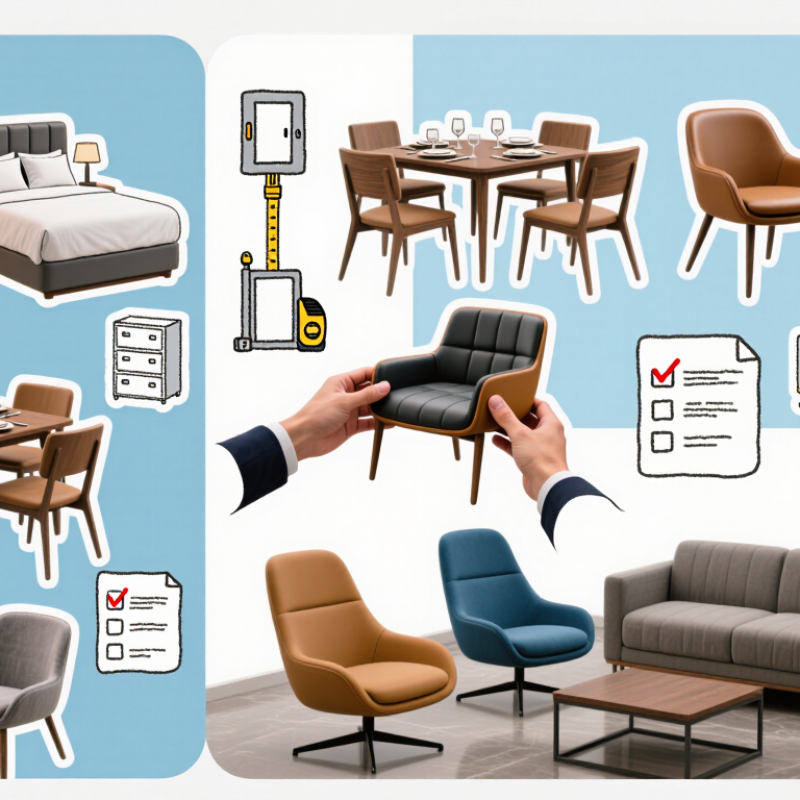
Assess Hotel Chair Needs and Guest Expectations
Before ordering hotel chairs in bulk, map where guests actually sit. Lobby seating must support short waits, luggage, and constant turnover. Dining chairs need stable legs, wipeable surfaces, and enough clearance for servers. In guest rooms, consider chair height beside desks, outlet access, and whether guests can sit comfortably for longer periods. A beautiful chair that blocks a suitcase or feels awkward at a desk is still a poor fit. Small details matter.
J.D. Power’s 2024 North America Hotel Guest Satisfaction Index drew responses from 39,468 hotel guests and assessed areas including guest rooms, facilities, staff service, and value. The study does not rank chairs, but it shows why furniture should be judged as part of the whole stay. Ask housekeeping and front-desk teams which seats loosen, stain, or get avoided. Then test samples with different guests, including older adults and people of varied heights. Measure seat depth, arm clearance, and cleaning time. Even a tidy spreadsheet can miss the squeak after repeated use. Test them onsite. Note that one sample may not represent every production batch; check the delivered chairs before distributing them across the property.
Set a Bulk Purchasing Budget and Quantity
Before requesting quotes, set a ceiling for the full delivered order, not just the chair price. Include freight, handling, assembly, and a small allowance for replacements. These costs add up. Ask suppliers for itemized quotes and confirm whether delivery is curbside or includes placement. Compare chairs by total cost per usable year, as well as comfort and cleanability. A lower upfront price may cost more if frames loosen or upholstery stains quickly.
Estimate the quantity from a floor plan and actual seating needs. Count guest-room desks, meeting rooms, dining areas, and lobby zones separately; each has different use and wear. Add a modest reserve, perhaps 5 to 10 percent, if storage and budget allow. Adjust it for expected breakage and replacement lead times. Avoid ordering one chair per seat without checking peak occupancy, layout changes, and existing stock. Measure doorways and storage space, too. Easy to miss. If funds are tight, phase purchases by the busiest areas, then review guest and staff feedback before expanding. The first estimate may be wrong; record what changes instead of pretending the forecast was exact.
Compare Chair Materials, Comfort, and Durability
When buying hotel chairs in bulk, compare materials under real use, not showroom lighting. Solid wood frames feel warm and can be repaired, but joints need close inspection. Metal frames handle frequent movement well, though exposed edges may feel cold. For upholstery, ask for cleaning instructions and abrasion-test results. The Association for Contract Textiles’ upholstery guidelines use 30,000 Wyzenbeek double rubs or 40,000 Martindale cycles as high-traffic benchmarks. These figures help screen fabrics; they do not guarantee a chair’s lifespan. Feel it yourself.
Comfort is harder to judge from a specification sheet. Sit in each sample for several minutes. Check whether the seat edge presses behind the knees, and whether the back supports an upright dining posture. Seat height should work with the hotel’s tables, too. A chair that feels plush for one minute may become tiring during a long meal. I still find this easy to overlook.
Durability depends on the whole chair, not just its frame or fabric. Look for reinforced joints, replaceable glides, and upholstery seams that do not pull when the seat is pressed. BIFMA’s X5.4-2020 standard sets testing methods for public and lounge seating, including durability and stability checks. Ask suppliers for test documentation and inspect a sample after repeated use. It takes extra time. But one attractive sample can still mislead.
Evaluate Suppliers, Samples, and Warranty Terms
When buying hotel chairs in bulk, evaluate suppliers beyond their quoted price. Ask how they control production consistency and inspect finished pieces. Request references from properties with similar daily use, not just attractive showroom photos. A quick call can reveal how the supplier handles delays or defects. Details matter.
Order a sample before approving the full run. Sit in it, check that it stays steady on hard flooring, and inspect joints, upholstery seams, and underside staples. Ask staff to clean a fabric swatch with the products your housekeeping team actually uses. One polished sample does not guarantee every chair will match; I would not assume otherwise. Compare color and dimensions against the approved sample when the shipment arrives, and record any differences promptly.
Read the warranty in writing. Confirm its length, what commercial use it covers, and whether frames, upholstery, and glides have different terms. Check exclusions for stains, normal wear, and cleaning damage. Also ask who pays freight for replacement parts and how claims are documented. A long warranty sounds reassuring, but unclear steps can make it difficult to use. Request the claim timeline and keep the invoice, sample approval, and delivery inspection notes together.
Plan Delivery, Inspection, and Long-Term Maintenance
For a bulk hotel-chair order, delivery planning should begin with room-by-room quantities, not just a total count. Confirm doorway widths, loading-dock access, elevator capacity, and where cartons can be staged without blocking guest routes. Request a delivery schedule that matches floor renovation or room-turnover dates. Keep several chairs aside for inspection before the full shipment is unpacked. Check frame joints, seat seams, glides, and carton damage; photograph defects and record carton labels immediately. Small discrepancies become harder to trace later.
Inspection should include paperwork, too. BIFMA’s X5.1-2017 standard covers strength, stability, and durability testing for general-purpose chairs. Ask for test documentation relevant to the chair’s intended use, rather than relying on a vague “commercial grade” claim. EPA’s 2018 materials report estimated that 12.1 million tons of furniture and furnishings entered the U.S. waste stream. That figure makes repairability worth considering. Replaceable glides and accessible fasteners can help keep usable chairs in service. Still, maintenance takes labor; a complicated repair plan may look better on paper than in a busy hotel.
Set a simple inspection rhythm: tighten loose fasteners, check glides, and clean upholstery using its care instructions. Keep a small log by floor or room number. Include spare parts in the purchasing plan, and confirm their availability before approving the order. Don’t wait for a wobble. A quick monthly check can catch it.