How to Choose the Best Cotton Bed Cover in 2026
Choosing a Cotton Bed Cover in 2026 takes more than comparing thread counts. The fabric’s fiber, weave, finish, and care instructions all affect how it feels and performs. Textile Exchange’s Materials Market Report 2024 estimates that cotton represented about 19% of global fiber production in 2023, within a market totaling roughly 124 million tonnes. That scale makes cotton widely available, but it does not make every cotton cover equally durable or comfortable. Labels deserve a closer look.
Start with fiber content and construction. A tightly woven percale often feels crisp, while sateen usually feels smoother and drapes more closely. Neither is automatically better; your room temperature, preferred texture, and washing habits matter. Check the stated dimensions against your mattress and duvet, since “queen” sizing can vary by brand and region. Look for clear care instructions and information about shrinkage, colorfastness, and blended fibers. CottonWorks, Cotton Incorporated’s technical education resource, explains how yarn and fabric construction influence cotton textiles’ characteristics.
Certifications can help clarify specific claims, but their scope matters. A label for organic fiber, for example, does not by itself guarantee a particular softness or lifespan. A low price may be appealing. It may also mean thinner fabric or less detailed product information, though price alone proves little. This guide will compare common weaves, explain useful labels, and show how to assess fit, feel, care, and value before buying. The right choice is personal—and sometimes the most persuasive product description still leaves questions.
Understanding Cotton Bed Covers and Their Main Types
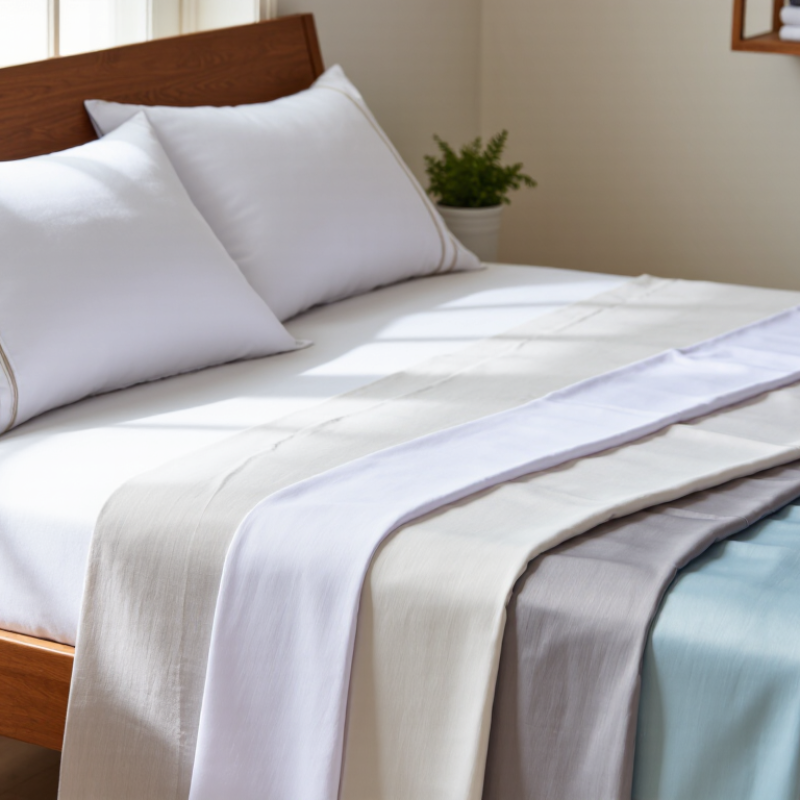
A cotton bed cover is an umbrella term, not one specific construction. It may refer to a duvet cover, quilt, coverlet, or full bedspread. Names vary by retailer and region, so check dimensions and layering instructions. The feel differs. A duvet cover is a washable shell for an insert; a quilt has stitched layers; a coverlet is usually lighter and sits above the sheets.
Material context matters, but it does not predict quality. Textile Exchange’s Materials Market Report 2024 estimates cotton represented about 19% of global fiber production in 2023. That figure describes supply, not bed-cover performance. For everyday use, inspect fiber content, fabric construction, and care instructions. Percale often feels crisp, while sateen feels smoother; these terms describe weaves, not cover types. A densely stitched quilt can still feel heavy in a warm room, and “100% cotton” alone says little about shrinkage or durability. Check finished size, seams, and whether filling is included before buying.
How to Choose the Best Cotton Bed Cover in 2026: Understanding Cotton Bed Covers and Their Main Types
Fabric weight can help you compare how lightweight or substantial a cotton bed cover may feel. The chart shows the midpoint of a typical weight range for each fabric type; actual weights vary by product and construction.
Typical ranges: Percale, 100–160 g/m²; sateen, 120–200 g/m²; flannel, 160–300 g/m²; jersey, 140–200 g/m². These are general ranges, not quality ratings. Consider weave, finish, warmth, and care instructions alongside weight.
Comparing Cotton Fibers, Weaves, and Fabric Quality
Cotton quality starts with the fiber, not a number on the package. Longer-staple cotton fibers can make smoother, stronger yarns, while shorter fibers may feel fuzzier sooner. Still, “premium” wording alone proves little. Feel the fabric. Rub a corner between your fingers and check for a dry, papery touch or loose lint. If shopping online, look for clear details about fiber content and construction; vague descriptions make comparison difficult.
The weave changes how a bed cover feels. Percale uses a simple one-over, one-under structure, usually giving it a crisp, airy hand. Sateen has more yarns floating across the surface, which creates a soft sheen and a smoother feel, though it may feel warmer. Neither is automatically better.
Small details matter. Check that the weave looks even, seams sit flat, and stitching does not skip around the edges. Thread count can help describe density, but it is not a complete quality test; very high counts may rely on thinner yarns or confusing counting methods. Wash-care instructions matter, too. Cotton can soften after washing, but shrinkage and wrinkling vary with finishing and care. I would not judge a cover by its first touch alone. A fabric that feels perfect in a showroom may behave differently after several nights and washes.
Evaluating Comfort, Durability, and Seasonal Suitability
Comfort depends on more than a soft first touch. Cotton percale often feels crisp and cool, while sateen usually feels smoother and heavier. If possible, handle the fabric before buying; a dense weave can feel reassuring in a shop but too warm in a heated bedroom. Feel the fabric. Also check the cover’s dimensions against your duvet, since excess fabric can bunch and disturb sleep.
Durability shows in the details. Look for even stitching, reinforced corners, and a care label that suits your washing routine. Long-staple cotton can make a strong, smooth fabric, but fiber claims alone do not guarantee quality. Weave, construction, and finishing matter too. A practical test is to inspect seams and edges, not just the surface. I’d be wary of choosing by thread count alone; that number can distract from how the cloth actually feels and performs.
Seasonal suitability depends on your room, bedding layers, and personal comfort. A breathable, lighter cotton cover may work well in warm months, while a denser weave can feel cozier when temperatures drop. Yet a thick cover may be uncomfortable in a warm home, even in winter. One detail is easy to miss: care needs. Cotton can wrinkle, and some covers may shrink if washed against their care instructions. Choose a fabric you can maintain, not only one that feels appealing on day one.
Checking Sizing, Care Requirements, and Product Certifications
Measure the mattress, not the old cover. Record its width, length, and depth, including any topper; then compare these with the cover’s finished dimensions and stated drop. A few centimetres can decide whether the edges reach the bed frame. Textile Exchange’s Materials Market Report 2024 estimates that cotton represented about 20% of global fiber production in 2023. That scale makes clear sourcing information useful, but fiber share alone says nothing about a cover’s quality. Check what the seller means by “cotton,” and whether the fabric is woven or knitted. Small details matter.
Care instructions deserve equal attention. Read the sewn-in label before buying, especially if the cover will be washed often or tumble-dried. Cotton can shrink, but the amount varies with fabric construction and care; avoid assuming every cotton cover behaves alike. I would leave room for uncertainty here. Check for OEKO-TEX STANDARD 100 or GOTS certification when relevant, and verify the certificate’s scope and current validity through the certification body. These programs address different criteria; neither replaces checking the care label or product dimensions. A cool wash may help preserve color, but follow the maker’s instructions. Then measure again.
How to Choose the Best Cotton Bed Cover in 2026 - Checking Sizing, Care Requirements, and Product Certifications | Decision Area | What to Check | Practical Guidance |
| Bed size: Twin | Typical U.S. mattress: 38 × 75 in (97 × 191 cm). | For a flat cover with about 15 in (38 cm) of drop on each side and at the foot, consider approximately 68 × 90 in (173 × 229 cm). Confirm the finished cover dimensions before buying. |
| Bed size: Twin XL | Typical U.S. mattress: 38 × 80 in (97 × 203 cm). | For the same approximate side and foot drop, consider about 68 × 95 in (173 × 241 cm). Twin and Twin XL covers are not interchangeable in length. |
| Bed size: Full | Typical U.S. mattress: 54 × 75 in (137 × 191 cm). | An approximate flat-cover size for a 15 in (38 cm) side and foot drop is 84 × 90 in (213 × 229 cm). Measure your mattress and preferred drop for a closer fit. |
| Bed size: Queen | Typical U.S. mattress: 60 × 80 in (152 × 203 cm). | An approximate flat-cover size for a 15 in (38 cm) side and foot drop is 90 × 95 in (229 × 241 cm). Check whether the listed dimensions are the cover’s finished size. |
| Bed size: King | Typical U.S. mattress: 76 × 80 in (193 × 203 cm). | An approximate flat-cover size for a 15 in (38 cm) side and foot drop is 106 × 95 in (269 × 241 cm). Measure the mattress, including any topper, before choosing a size. |
| Bed size: California King | Typical U.S. mattress: 72 × 84 in (183 × 213 cm). | An approximate flat-cover size for a 15 in (38 cm) side and foot drop is 102 × 99 in (259 × 251 cm). California King is narrower and longer than a standard King. |
| Fit and shrinkage | Cover style, mattress thickness, desired overhang, and fabric finishing. | The dimensions above are planning estimates, not a universal standard. Cotton may shrink depending on its construction and laundering; follow the care label and check whether the product is pre-shrunk. |
| Care instructions | The care label for the specific cover, including washing temperature, drying method, and ironing guidance. | Do not assume every cotton cover is machine washable or suitable for hot washing. Use the labeled settings; avoid high heat unless the instructions allow it, as heat can contribute to shrinkage. |
| Fiber and construction | Fiber-content label, weave or knit, fabric weight, stitching, and any filling or backing. | Check whether the item is 100% cotton or a blend, and whether the stated dimensions and care instructions apply to the full product or only its outer fabric. |
| Organic-fiber certification | A current Global Organic Textile Standard (GOTS) claim, where organic textile production is a priority. | Check the exact product and certification scope, not only a general statement about a seller or facility. Certification requirements and permitted label wording depend on the applicable standard and product claim. |
| Harmful-substance testing | A valid OEKO-TEX Standard 100 claim for the finished textile product. | This standard tests textile products for certain harmful substances. It is not the same as organic certification; verify the certificate or label details for the product being considered. |
| Final purchase check | Finished dimensions, care label, fiber content, returns policy, and verifiable certification details. | Choose the cover that matches your mattress measurements and preferred drape, and keep the product care and certification information for reference. |
Matching Your Budget and Needs to the Right Bed Cover
Your budget should reflect how often the bed cover will be used, not just its price tag. Cotton covers vary in weave, weight, and finish. A simple percale cover may feel crisp and light, while a sateen weave often feels smoother and drapes more closely. Neither is automatically better. Check the care label, seam stitching, and finished dimensions before buying. A cover that barely reaches the mattress edges can look skimpy. Feel the fabric, if possible.
Think about who will use it and how the room feels at night. In a warm bedroom, a lighter cotton cover may be more comfortable; in a cool room, a heavier weave or an extra blanket may suit you better. For children, pets, or frequent washing, choose a fabric that can handle regular laundering without demanding special care. Cotton can shrink or wrinkle, so follow the washing instructions and allow for some texture. That part is easy to overlook.
If your budget is limited, prioritize comfortable fabric, sturdy seams, and a practical size over decorative details. Thread count alone does not tell you how a cover will feel or hold up. With a higher budget, consider paying for a softer finish or more substantial construction, but inspect the care requirements first. I’ve found that the cover that looks perfect online may feel too warm in a real bedroom. A small compromise is normal.