What is a Damper Actuator and How Does It Work?
In the world of HVAC systems, the role of the Damper Actuator is paramount. According to John Smith, a leading expert in the field, "A damper actuator controls airflow precisely." This statement captures the essence of what makes damper actuators crucial. These devices enable efficient airflow regulation in heating, ventilation, and air conditioning systems.
Understanding how damper actuators work is essential for anyone involved in building or maintaining HVAC systems. The technology behind these actuators involves motors that open or close dampers, allowing for airflow adjustments. Such precision can significantly impact energy efficiency. However, not all systems utilize damper actuators optimally. Some facilities still struggle with airflow management, resulting in hot or cold spots.
Moreover, the design and installation of damper actuators are often overlooked. This can lead to inefficiencies and increased operational costs. Ensuring proper calibration is vital but frequently neglected. As the industry evolves, embracing more advanced actuator technologies could resolve these common issues. Yet, challenges remain, and a collective commitment to improvement is necessary.
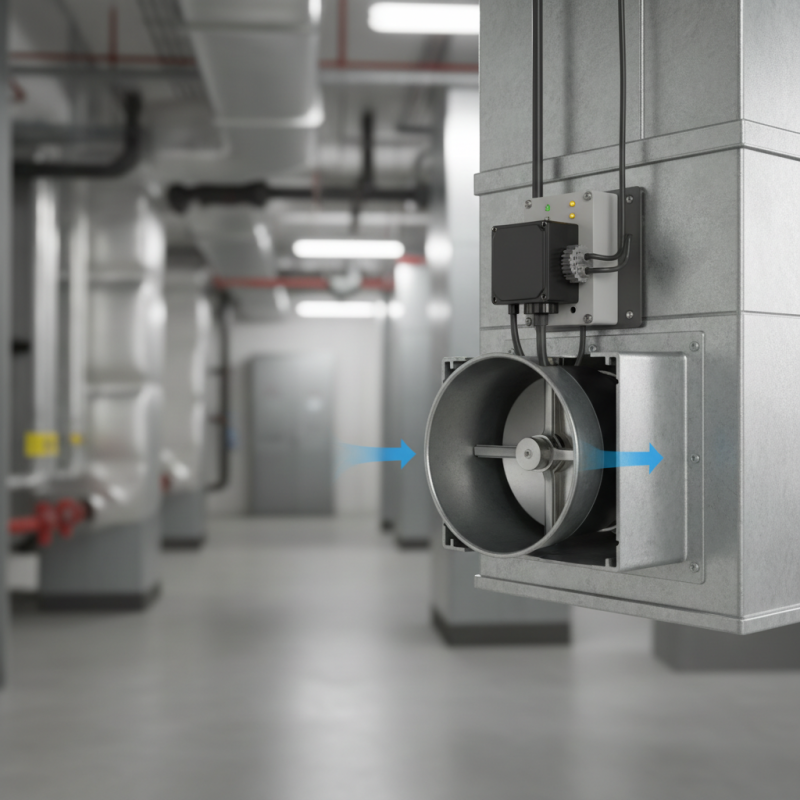
Understanding the Basics of Damper Actuators and Their Functions
Damper actuators are crucial in HVAC systems. They control the opening and closing of dampers. This process regulates airflow effectively. According to recent industry reports, about 40% of energy consumption in buildings is related to heating, ventilation, and air conditioning. Proper damper actuator function can significantly improve energy efficiency.
These actuators can be pneumatic, electric, or hydraulic. Each type has its pros and cons. Electric actuators, for instance, provide quick response times. They adjust to changes in system demands almost instantly. However, they may require more maintenance due to wear over time. Data shows maintenance costs can rise by 30% annually if not monitored.
Understanding the basic operation of dampers is essential. They help maintain temperature balance within spaces. Improperly functioning dampers can lead to uneven heating or cooling. Studies highlight that 20% of HVAC systems operate inefficiently. Regular inspections can catch issues early. However, many facilities overlook this vital aspect, which is a concern worth reflecting on.
Types of Damper Actuators: Mechanical vs. Electronic
Damper actuators play a crucial role in HVAC systems. They control airflow by adjusting a damper's position. Two main types exist: mechanical and electronic.
Mechanical damper actuators rely on physical components. They often use levers and springs. These devices can be simple and cost-effective. However, they may not offer precise control. They are more prone to wear and tear. Regular maintenance is vital to keep them functioning well.
Electronic damper actuators use sensors and motors. They provide more accurate and responsive control. These actuators can be integrated into smart systems. However, they tend to be more expensive. The initial investment can be high, but they save energy in the long run.
Tips: Consider your system's needs before choosing. Evaluate if you need precision or cost-effectiveness. Regularly check mechanical actuators for wear to ensure optimal performance. Always weigh the benefits of smart technology against budget constraints.
The Working Principle of Damper Actuators in HVAC Systems
Damper actuators are essential components in HVAC systems. They control the flow of air by adjusting the position of dampers. This process helps regulate temperature and maintain indoor air quality. When the system activates, the actuator moves the damper to open or close. This action allows hot or cold air to enter or restricts airflow as needed.
The working principle involves a feedback loop. Sensors detect room temperatures and send signals to the actuator. It then adjusts the dampers accordingly. Some actuators use electric motors, while others rely on pneumatic pressure. The choice depends on system design and requirements.
Tip: Regular maintenance of damper actuators can prevent system failures. Check their functionality often. Look for signs of wear and tear.
Improper installation can lead to inefficiencies. If dampers are not calibrated correctly, airflow may be uneven. This can cause hot and cold spots in the space.
Tip: Consider professional help for complex installations. It can save time and reduce mistakes. Properly functioning actuators enhance system performance significantly.
Common Applications of Damper Actuators in Various Industries
Damper actuators play a crucial role in various industries. They regulate airflow and control temperature. In HVAC systems, these devices ensure optimal indoor climates. They open and close dampers based on temperature and pressure. This helps save energy and enhance comfort levels.
In industrial settings, dampers control exhaust and emission. This ensures compliance with environmental regulations. Some factories utilize these actuators to manage air quality. Proper airflow can prevent the buildup of harmful substances. However, without regular maintenance, these systems can fail. This can lead to inefficiencies and increased costs.
Building automation systems also benefit from damper actuators. They integrate seamlessly, allowing for real-time adjustments. This improves energy efficiency and enhances operational comfort. Yet, many systems are not programmed effectively. Misconfiguration can lead to wasted resources and discomfort. Investing in proper training is essential for optimal performance.
Maintenance and Troubleshooting Tips for Damper Actuators
Maintaining damper actuators is crucial for efficient operation. Regular inspections are necessary to ensure that everything functions properly. Check for signs of wear and tear. Look for any unusual noises during operation. This might indicate an underlying issue.
When troubleshooting, start with the basics. Ensure that the power supply is stable. A weak or fluctuating power source can disrupt actuator performance. Verify connections and wiring as loose connections often cause problems. Sometimes, dust and dirt buildup can hinder movement. Clean the components to allow smooth operation.
In some cases, actuators may not respond correctly. This can stem from calibration issues. Recalibrating the actuator can resolve many functional problems. However, if the actuator does not perform even after recalibration, it might require further inspection. Be ready to seek professional assistance if problems persist. Maintenance should be a regular part of your routine. Regular checks enhance longevity and reliability.
Damper Actuator Performance Comparison