How to Choose the Best Chiller Series for Your Needs?
Choosing the right Chiller Series for your needs can be a daunting task. The variety of options available can confuse even experienced professionals. According to a report by ASHRAE, the global chiller market is expected to reach $10 billion by 2025. This growth underscores the importance of selecting the right system for efficiency and performance.
Expert Peter Johnson, a well-known figure in HVAC, emphasizes, "Understanding your specific cooling load is key to making the right decision." His insight highlights the necessity of assessing your needs before diving into purchases. A chiller that doesn’t meet your requirements can lead to inefficiencies and increased operational costs.
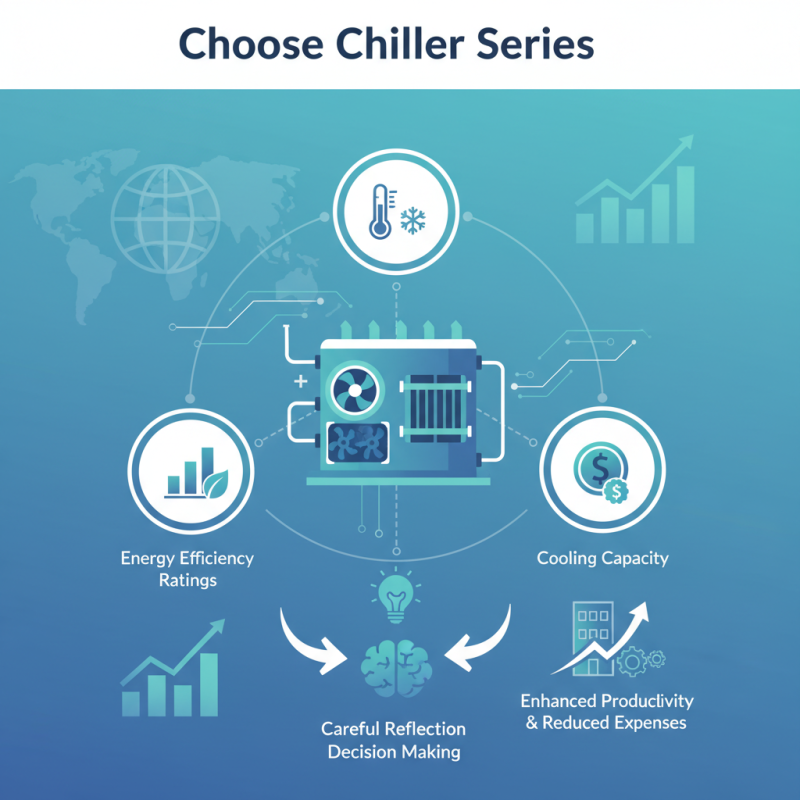
In the quest for the perfect Chiller Series, details matter. Consider aspects such as energy efficiency ratings, cooling capacity, and operational costs. An ill-fitting model may not only waste energy but also compromise system performance. Each choice requires careful reflection. The right decision can enhance productivity and reduce overhead expenses in the long run.
Understanding the Different Types of Chillers Available
When it comes to selecting the right chiller, understanding the different types is crucial. There are air-cooled chillers, water-cooled chillers, and evaporative chillers. Each type has unique characteristics, making them suitable for various applications. Air-cooled chillers are easy to install and require minimal maintenance. They work well in smaller settings where space is limited. However, they may be less efficient in extremely hot climates.
Water-cooled chillers are often more energy-efficient than their air-cooled counterparts. They require a cooling tower or a water source for operation. This setup can be costly, but the long-term savings on energy are significant.
Evaporative chillers use water to cool the refrigerant. These chillers are suitable for environments with low humidity. Yet, they demand regular maintenance to ensure optimal performance.
It is also essential to consider your specific cooling needs. What is the required temperature? How large is your space? Do you have access to a reliable water source? Asking these questions can help narrow down your options.
Balancing efficiency, cost, and maintenance is not easy. Reflect on the long-term impact of your decision to avoid future regrets.
A thoughtful choice will lead to better results in the long run.
Assessing Your Cooling Requirements: Capacity and Efficiency
Choosing the right chiller series hinges on a clear understanding of your cooling requirements. The capacity is paramount. Calculate how much cooling you need based on the specific area or process. Consider the heat load generated by machines, people, and other factors. It’s essential to get precise figures; overestimating capacity can waste energy, while underestimating can lead to inefficiencies.
Efficiency is another crucial aspect. Look for chillers that deliver high performance while minimizing energy use. Pay attention to energy ratings. A more efficient model may cost more upfront, but it can save money in the long run. Evaluate the operational costs, maintenance, and longevity. Sometimes, the cheapest option isn't the most efficient.
Maintaining the right balance between capacity and efficiency can be tricky. It may require adjustments and learning from past mistakes. Sometimes, existing models don’t precisely fit your needs. It's okay to reassess and consider multiple options. Keep your focus on what you genuinely need rather than what's trending. This approach can lead to a better decision in the end.
Evaluating Chiller Specifications and Features
When selecting a chiller series, it’s essential to evaluate specifications thoroughly. Look for capacity ratings, efficiency ratings, and operating temperatures. A unit with a higher cooling capacity may seem advantageous, but it could lead to wasted energy if it exceeds your actual needs. Often, businesses overestimate their requirements, resulting in unnecessary expenditures.
Pay attention to the features that matter most for your application. For instance, consider noise levels if the chiller is within a residential area. Sometimes, users overlook this aspect. A quieter model might be essential, even if it has slightly lower efficiency. Additionally, check for user-friendly controls and monitoring options. Not all models provide intuitive interfaces, which can lead to operational challenges.
Maintenance is another factor that can’t be ignored. Some chillers require regular servicing, which means consistent costs. Think about ease of access for repairs. A poorly designed unit can create headaches down the line. Reflect on the total cost of ownership, not just the initial price tag. Choosing wisely, while considering these details, can lead to a more sustainable and productive solution.
Comparing Energy Consumption and Operational Costs
When selecting a chiller series, energy consumption and operational costs are vital factors to consider. Energy efficiency can vary significantly between different models. It's essential to analyze the cooling capacity needed for your facility. Inefficient chillers may lead to skyrocketing energy bills. This issue often goes unnoticed until it’s too late.
Operational costs extend beyond energy use. Maintenance, repair, and parts replacement can add up quickly. Some chillers may require more frequent servicing than others, leading to increased long-term costs. You should calculate potential maintenance expenses. Sometimes, low upfront costs can hide higher operational burdens down the line.
It’s important to evaluate your specific needs. Will occasional high demands occur, or is consistent performance essential? Consider summers with extreme heat. A chiller that works well in mild temperatures may struggle under high-stress conditions. Each model may have pros and cons that impact your decision. Taking time to compare efficiency ratings and cost estimations can lead to more informed choices. Reflecting on your unique circumstances will steer you toward a suitable option.
Considering Maintenance and Support Options for Optimal Performance
When selecting a chiller series, maintenance and support options are pivotal. Regular maintenance can enhance chiller efficiency by up to 20%, according to industry reports. A well-maintained chiller operates more reliably and consumes less energy. This creates cost savings in the long run. Neglecting maintenance can lead to inefficiencies that accumulate over time.
Choosing a manufacturer that offers robust support options is critical. Prompt service response times can reduce downtime significantly. Research indicates that facilities with effective support can experience up to 30% less unplanned downtime. This is vital for production environments. However, not all brands provide the same level of service. Thoroughly vetting support reliability is key to avoiding future headaches.
Consider maintenance accessibility as well. Complex systems may require specialized tools or training for upkeep. This can be a hidden cost. Creating a maintenance schedule that aligns with your operational needs is essential. Misalignment can lead to increased equipment failure. Investing in a chiller with strong support can alleviate these concerns. Choose wisely to ensure long-term operational success.