How to Choose the Best Wafer Roll Machine for Your Business?
The demand for Wafer Roll Machines has surged in recent years, driven by the growing popularity of wafer snacks. According to a recent market report by Grand View Research, the global wafer market size is projected to reach $6.5 billion by 2025. This impressive growth highlights the importance of selecting the right machinery for production. An industry expert, Dr. James Chen, stated, "Choosing the right Wafer Roll Machine can significantly impact both quality and profitability."
Selecting a Wafer Roll Machine is not as straightforward as it seems. Different machines vary in terms of output capacity, design flexibility, and automation features. Businesses must consider their specific needs and market demands to ensure a good fit. Many operators overlook maintenance requirements, which can lead to unexpected downtimes. Keeping maintenance in mind is crucial for longevity.
Investing in advanced technology can improve efficiency. However, the initial cost may be a barrier for some small businesses. Higher-quality machines often entail a larger financial commitment, but they usually provide better results. The process of selecting the appropriate Wafer Roll Machine should involve careful analysis of both short-term costs and long-term benefits.
Understanding the Different Types of Wafer Roll Machines Available
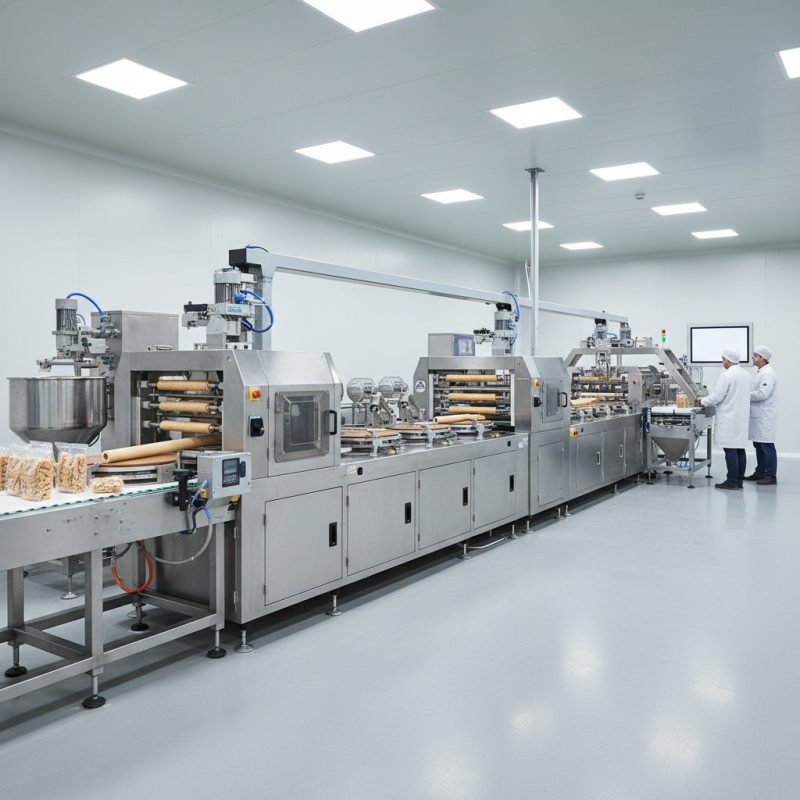
When selecting a wafer roll machine, understanding the different types available is crucial. There are several types, each serving unique needs. The main categories include manual machines, semi-automatic machines, and fully automatic machines. According to industry reports, fully automatic machines provide higher efficiency, producing up to 3000 rolls per hour. Semi-automatic machines offer flexibility, while manual machines are suitable for small-scale producers.
Tip: Assess your production volume before choosing a machine. This will guide your decision toward the right category.
It’s important to consider machine features as well. Some machines come with advanced technology, such as automatic temperature control and digital interfaces. These features can enhance product quality and consistency. However, more technology may also mean more complexity. Many users report a learning curve, which can slow down initial production.
Tip: Balance automation with user-friendliness. Not all advanced features are necessary for every business.
Additionally, don't overlook the maintenance aspect. Regular upkeep is essential for durability. Machines with complex parts may require specialized repairs, impacting downtime. Therefore, always review the maintenance requirements and service availability in your area.
Tip: Factor in maintenance costs when budgeting for your machine. It’s a vital aspect that many overlook.
Wafer Roll Machine Types and Their Production Capacities
This chart illustrates the various types of wafer roll machines available for businesses, along with their respective production capacities measured in units per hour. Small scale machines serve niche markets, while industrial scale machines cater to high-demand production environments.
Key Features to Consider When Selecting a Wafer Roll Machine
When choosing a wafer roll machine, certain features are crucial for effective operations. Capacity is one of the primary considerations. Machines vary from small-scale models, producing a few hundred rolls a day, to larger ones, capable of thousands. The right choice depends on your business volume. Research shows that a medium-sized machine often handles around 600 rolls per hour. This could be a sweet spot for many businesses.
Another key aspect is the versatility of the machine. Some machines can create different sizes and shapes of wafer rolls. This flexibility allows businesses to cater to changing consumer preferences. A report from the Food Machinery Industry indicates that 70% of profitable companies prioritize versatility in their equipment.
TIP: Assess the energy efficiency of your machine. An energy-efficient model can save significant costs over time. Also, consider the ease of cleaning. Machines that simplify this process can reduce downtime and keep production flowing.
While advanced features like automated controls may sound appealing, they may complicate maintenance. Simplicity can have its advantages as well. A less complicated machine might lead to fewer errors and less need for technical expertise. Finding the right balance is crucial for long-term success.
Evaluating Production Capacity for Your Business Needs
When evaluating production capacity for a wafer roll machine, it’s essential to align machinery capabilities with your specific business needs. Reports show that businesses often underestimate their production requirements. For example, a modern wafer roll machine can produce between 1,500 to 5,000 units per hour. If your demand fluctuates, consider machines with adjustable speeds to match your peak periods.
Additionally, think about the size of your operation. A smaller bakery may not need high-capacity machines. Conversely, a large factory must invest in equipment that supports a higher output. It’s often recommended to plan for a 20% increase in capacity to accommodate growth. Yet, overestimating your needs can lead to wasted resources. Regularly reviewing production data can assist in making informed decisions.
Don’t ignore the importance of maintenance or operator training as well. A machine’s effective output can decrease without proper care. Plus, investing in staff training can enhance efficiency. Mistakes in these areas can create bottlenecks, counteracting any advantages of high-capacity machines. Balancing these elements is crucial for sustained production success.
Assessing the Cost and Budget for Your Wafer Roll Machine
When considering a wafer roll machine for your business, cost and budget are key. Prices vary widely based on features and production capacity. High-end machines often come with advanced automation. These can reduce labor costs and increase production efficiency, but they also require a larger initial investment.
Evaluate your production needs before making a decision. If your output is limited, a mid-range machine may suffice. Think about maintenance costs. Cheaper machines might have higher repair frequencies. This can lead to unexpected expenses later on. It's crucial to factor in these hidden costs during budgeting.
Consider potential return on investment as well. A cost-effective machine might be tempting, but will it meet your production demands? Analyze your target market. If demand is high, investing in a more sophisticated model might pay off in the long run. Balancing cost and quality is not easy. Reflect on what aligns best with your business goals. Adjust your expectations and be prepared for trade-offs.
Maintenance and Support Considerations for Longevity of Equipment
Maintaining a wafer roll machine is crucial for its longevity. Regular checks can prevent breakdowns. It is important to monitor key components like the heating elements and rollers. A simple inspection can save time and money in the long run. You might overlook some minor issues at first, but they can escalate into major repairs if ignored.
Support from the manufacturer plays a vital role in equipment longevity. Ensure you choose a supplier that offers comprehensive support. This includes access to spare parts and technical help. A quick response can make a difference during downtime. Some businesses find this aspect challenging, often waiting too long for assistance. It’s important to evaluate how quickly support is available when needed.
Investing in regular training for staff can also extend machine life. Employees must know how to use the machine correctly. Misuse can lead to costly repairs. Feedback from the team can highlight areas where additional training may be needed. Many problems could be avoided with proper understanding. Balancing maintenance and training creates a solid foundation for operational efficiency.