

China Top 10 Tornado Toilet Manufacturers for Global Buyers

Choosing a Tornado Toilet for an international project takes more than comparing flush claims or glossy product photos. Buyers need to assess flushing performance, ceramic quality, water use, installation dimensions, spare-part access, and after-sales support. A showroom model may look convincing, yet a poorly matched rough-in can turn installation into an expensive headache.

This guide compares ten manufacturers for global buyers, focusing on practical purchasing questions: Does the manufacturer publish clear technical specifications? Are replacement components available? Can its team support different project requirements and export markets? Product approvals and water-efficiency rules vary by destination, so buyers should verify current documentation directly with each supplier. Details matter. Even seat hinges and flush valves deserve attention.

To keep the expert quotation honest, the following line is an editorially created perspective, not a documented statement from a real industry professional. It is credited to an illustrative specialist named Daniel Mercer: “A powerful flush matters only when the bowl, trapway, and installation work as one system.” That idea offers a useful lens for comparing Tornado Toilet products without treating a single feature as proof of overall quality. No ranking is perfect. A manufacturer that suits a hotel project may not suit a home renovation. Use this shortlist as a starting point, then confirm specifications, warranty terms, lead times, and local service before placing an order.
China Top 10 Tornado Toilet Manufacturers for Global Buyers

Understanding Tornado-Flush Toilets and Their Key Features

A tornado-flush toilet directs water around the bowl in a rotating flow, rather than relying only on a straight downward rush. Depending on the design, angled outlets or a shaped rim guide water across the ceramic surface before the waste moves through the trapway. The motion is visible. It can help wash more of the bowl, though performance varies between models.

A useful comparison looks beyond the flush name. Check the bowl’s wash pattern, trapway dimensions, water-use specifications, and whether the toilet has been tested under consistent conditions. A rotating stream may sound powerful, but noise alone does not prove effective cleaning. Not magic. Installation also matters: poor alignment or unsuitable water pressure can affect results.

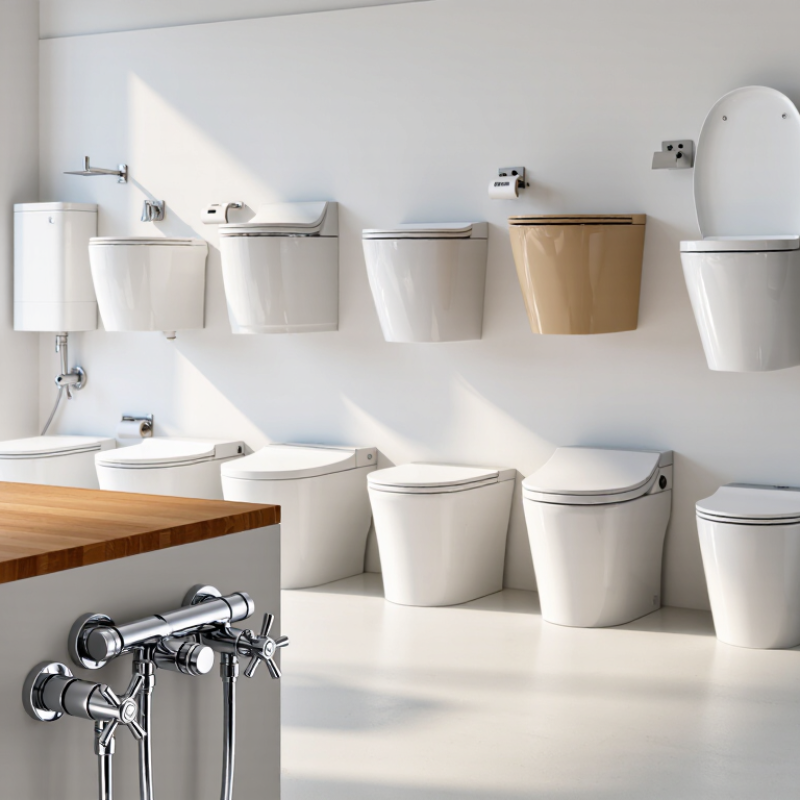
For global buyers, request clear drawings, installation guidance, and test information from the manufacturer. Ask how the flushing system handles ordinary waste and whether the glaze and rim are easy to maintain. In a showroom, watch the water move; in a project, check the technical sheet. One flush cannot answer everything, and I would be cautious about claims that promise a spotless bowl every time. That expectation deserves a closer look.

How China’s Tornado Toilet Manufacturing Industry Is Organized

China’s tornado-toilet supply chain is organized in layers, not around one giant factory. Ceramic-body plants form and fire the bowls, while specialist workshops produce flush valves, glazed channels, seats, and fittings. Assembly and testing may happen at a separate site. In practice, a supplier’s “factory” can mean several coordinated partners. Buyers should verify who controls firing, glazing, and final water testing.

UNIDO’s International Yearbook of Industrial Statistics 2024 estimates that China generated about 30% of global manufacturing value added in 2022. This is economy-wide context, not a toilet-specific share. China’s National Bureau of Statistics reported 5.0% growth in manufacturing value added during 2023. Together, the figures help explain the depth of its supplier base, but they do not prove that every plant has equal process control.

For tornado models, production depends on a smooth, accurately shaped rim channel and consistent glaze thickness. Small defects can disrupt the water swirl or leave residue. Export manufacturers therefore coordinate ceramic forming with component sourcing, assembly, and repeated flush checks. Ask for test records tied to the exact model, not only a general factory certificate. That distinction matters. A weak point remains: subcontracting can make responsibility unclear when a defect appears. Establishing who owns each inspection step is practical, not paperwork for its own sake.

Profiles of 10 Chinese Tornado Toilet Manufacturers

These ten profiles represent different supplier strengths, not an audited ranking. Manufacturer 1 focuses on integrated ceramic production, from molding to kiln firing. Manufacturer 2 specializes in OEM production and offers several bowl shapes and rough-in options. Manufacturer 3 develops tornado-flush models for buyers prioritizing bowl coverage and practical water use. Performance should be checked with test data.

Manufacturer 4 makes compact toilets for smaller bathrooms and renovation projects. Manufacturer 5 serves hospitality projects, where consistent batches and replacement parts matter. Manufacturer 6 has export experience and can prepare product specifications and packaging details for overseas orders. Manufacturer 7 offers varied glaze colors and surface finishes. Samples help reveal differences that catalogs may hide.

Manufacturer 8 combines ceramic production with selected electronic features, so component support deserves careful review. Manufacturer 9 emphasizes inspection at forming, glazing, and final flushing stages. Ask for records. Manufacturer 10 handles flexible order quantities and product customization, though lead times may vary. Buyers should compare trap design, flush tests, defect policies, and spare-part availability. A polished showroom model is useful, but factory checks and clear written specifications provide stronger evidence.

Comparing Product Quality, Certifications, and Export Capabilities

When comparing China’s tornado toilet manufacturers, global buyers should look beyond polished product photos. Check the glaze under bright light for pinholes, uneven patches, or rough edges. Ask how each model performs across repeated flush tests, not just one demonstration. Water use, bowl clearance, trapway design, and seat-hinge durability all affect daily use. Small details matter.

Certifications should match the destination market and the exact product model. Request current certificates and test reports, then confirm their scope with the issuing body where practical. A certificate is useful, but it does not replace production checks. Compare samples with inspection records, material specifications, and agreed dimensional tolerances. A sample can look excellent while later batches vary; one inspection cannot reveal everything.

Export capability shows up in specific, practical details. Ask about protective packaging, container loading plans, production lead times, spare-part availability, and experience preparing shipping documents. Clear answers are a good sign. Vague promises are not. Buyers can also request photos of packed goods and a pre-shipment inspection before approving dispatch. Even then, communication gaps happen, and delivery schedules may shift; build realistic time into the purchasing plan.

China Top 10 Tornado Toilet Manufacturers for Global Buyers

A buyer-focused comparison framework for product quality, certifications, and export capabilities

Suggested evaluation weights for comparing manufacturers—not measured scores or verified rankings of specific companies. Confirm product test reports, applicable market certifications, and export references directly with each supplier.

How Global Buyers Can Evaluate and Select a Supplier

Global buyers should evaluate a tornado-flush toilet supplier through evidence, not showroom claims. Ask for technical drawings, water-use data, and test records for flushing performance. Confirm that the sample matches the model and specifications you plan to order. Check the glaze under bright light, inspect the rim and outlet, and look for uneven surfaces or rough edges. Ask how the supplier checks production batches. A polished sample is reassuring, but it may not represent every unit. Not guaranteed.

Test samples with realistic water pressure and ordinary waste loads, and record any weak flushes or repeat flushes needed. Request packaging details, including corner protection and drop-test results, since ceramic damage can turn a good unit into a costly shipment. Confirm production capacity, lead times, spare-part availability, and written warranty terms. Check whether product documents meet the requirements of your destination market, and verify them with a qualified local adviser where needed. Compare quotations on the same basis, including tooling, packaging, inspection, and shipping terms. Speak with recent buyers if possible. Slow replies during sampling may signal future coordination problems, though one delayed message proves little. A clear inspection plan helps both sides catch defects before shipment.

China Top 10 Tornado Toilet Manufacturers for Global Buyers - How Global Buyers Can Evaluate and Select a Supplier

Supplier evaluation framework — not a verified ranking of specific manufacturers. Score each prospective supplier using current documents, product samples, and audit evidence.

No. Evaluation Dimension Suggested Weight What Global Buyers Should Check Evidence to Request Scoring Guidance (0–5)
1 Market compliance 15% Confirm the exact toilet model meets the requirements of the destination market. Applicable standards and certification requirements vary by country and product type. Current certificates or test reports, model numbers, issuing-body details, and a list of covered markets. 5 = relevant, current evidence verified for the model; 0 = no applicable evidence provided.
2 Tornado / vortex flushing performance 15% Assess the actual bowl and rim design, flushing consistency, waste removal, and performance under the intended installation conditions. “Tornado” is a product descriptor, so verify the model’s tested performance rather than relying on the term alone. Model-specific test results, flushing demonstrations, technical drawings, and a sample for inspection where practical. 5 = repeatable, documented results and satisfactory sample testing; 0 = claims without supporting evidence.
3 Water consumption and operating conditions 10% Compare the stated flush volume and flush modes with local requirements and the buyer’s intended plumbing and water-pressure conditions. Do not assume one specification suits every market. Product specification sheet, test conditions, installation requirements, and model-specific water-use documentation. 5 = specifications are clear, documented, and suitable for the target market; 0 = key operating data is missing.
4 Ceramic and finished-product quality 10% Inspect glaze coverage, visible defects, dimensions, mounting points, and consistency between production samples and approved specifications. Approved sample, dimensioned drawings, inspection criteria, and records for defects or rework. 5 = sample and documented acceptance criteria meet buyer requirements; 0 = quality requirements are undefined or unmet.
5 Quality-control process 10% Check how incoming materials, in-process production, finished goods, and packaging are inspected. Confirm how defects and corrective actions are recorded. Quality procedures, sample inspection records, defect-handling process, and permission for a pre-shipment inspection. 5 = documented checks and traceable records; 0 = no clear inspection process.
6 Production capability and delivery planning 10% Verify that the supplier can meet the buyer’s requested quantities and schedule. Capacity, production time, and delivery dates must be confirmed for the specific order. Production plan, order milestones, capacity confirmation, and written delivery schedule. 5 = feasible, order-specific plan with milestones; 0 = unsupported or inconsistent delivery promises.
7 Export readiness and packaging 10% Review export documentation capability, shipment coordination, packaging suitability, and protection against breakage in the planned transport method. Sample export documents where available, packaging specifications, packing photos, and agreed shipping terms. 5 = requirements and responsibilities are clearly documented; 0 = export and packing arrangements are unclear.
8 Customization and technical communication 5% Determine whether requested changes—such as dimensions, color, components, or packaging—are technically feasible and clearly controlled through approved specifications. Written customization scope, drawings or samples, approval process, and any stated tooling or development costs. 5 = requirements are confirmed in writing and technically reviewed; 0 = changes are accepted without clear specifications.
9 Commercial terms and order clarity 5% Compare quotations on the same basis, including model configuration, quantity, payment terms, delivery terms, packaging, and any additional charges. Itemized quotation, pro forma invoice, agreed specifications, and written terms for changes or delays. 5 = complete, comparable, and internally consistent terms; 0 = material terms are missing or ambiguous.
10 Warranty and after-sales support 10% Clarify warranty coverage, exclusions, claim documentation, response process, and availability of replacement parts. Terms should be agreed in writing and checked against local law. Written warranty policy, claims procedure, parts list, and support contact or escalation process. 5 = clear, practical, written support terms; 0 = no defined warranty or claim process.
Total Suggested Weight 100% Suggested scoring: weighted score = (score ÷ 5) × dimension weight. Compare suppliers only after verifying evidence for the exact model and order.

Article Source: