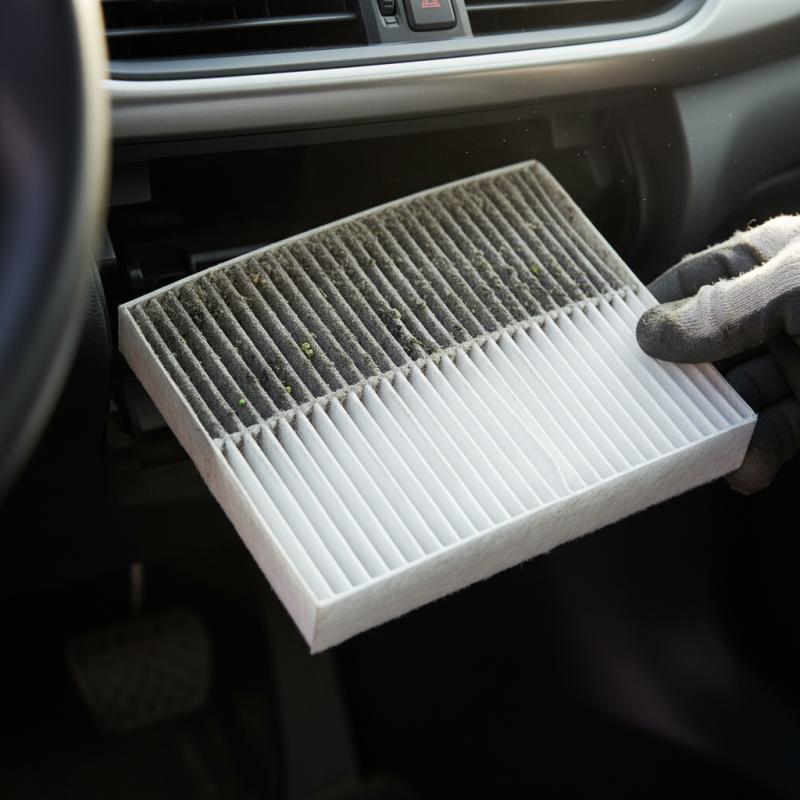
Why is Cabin Filter Maintenance Important for Your Vehicle?
Maintaining a vehicle involves attention to many details. One critical aspect often overlooked is the Cabin Filter. This filter plays a vital role in ensuring air quality inside your car. A clean Cabin Filter traps dust, pollen, and pollutants. It promotes healthy breathing for all passengers.
When neglected, Cabin Filters can become clogged and ineffective. This may lead to musty odors and reduced airflow. Drivers might not notice the gradual decline in air quality. But over time, it can affect comfort and health. Regular maintenance of the Cabin Filter is essential for a pleasant driving experience.
Some might forget about it during routine vehicle inspections. It's easy to overlook the filter's importance. However, checking and replacing it can prevent issues. Ensuring clean air in your vehicle enhances overall comfort. Prioritizing Cabin Filter maintenance is a simple step toward a healthier ride.
The Role of Cabin Filters in Vehicle Air Quality
Cabin filters are essential for maintaining air quality inside your vehicle. They trap dust, pollen, and harmful particles. Studies show that clean cabin filters can improve air quality by up to 50%. This is crucial, especially in urban areas where pollution is high. Poor air quality can lead to respiratory issues and discomfort for passengers.
When cabin filters are neglected, air flow can decrease significantly. Some reports indicate that a clogged filter can reduce airflow by 30%. This makes climate control systems work harder, leading to potential overheating. Even the most diligent driver might forget about this crucial component. Regular inspection should be part of every maintenance routine.
**Tip:** Check your cabin filter every 12,000 miles or once a year.
Filthy filters can also harbor mold and bacteria. When the fan circulates air, these contaminants may enter the cabin. This not only affects air quality but also leads to unpleasant odors. Cleaning the filter can prevent these issues and improve your driving experience.
**Tip:** Replace your cabin filter if you notice a decrease in air quality.
In the end, neglecting cabin filter maintenance is a mistake. Keeping filters fresh is just as important as monitoring other fluids in your vehicle. Quality air contributes to a safer and healthier driving environment.
How Cabin Filters Improve Passenger Comfort
Cabin filters play a vital role in improving passenger comfort. They filter out dust, pollen, and pollutants from the air inside the vehicle. When these filters are clean, the air feels fresh and pleasant. However, many drivers overlook their maintenance. A dirty cabin filter can lead to musty odors and reduced airflow. The stagnant air inside is uncomfortable.
Imagine driving with a congested nose. That’s how passengers feel without proper airflow. Allergies may also worsen due to trapped allergens. Regular inspection and replacement can prevent this. Many don't realize that cabin filters can affect mood and overall well-being during travel.
Dirty filters cause extra strain on the vehicle’s HVAC system. Inefficient airflow leads to longer cooling or heating times. This not only reduces comfort but can also increase fuel consumption. Neglecting cabin filter maintenance might seem minor, but the consequences add up. Remember, a small change can improve everyone’s ride experience.
Importance of Cabin Filter Maintenance for Passenger Comfort
The following chart illustrates the impact of cabin filter maintenance on various aspects of passenger comfort. Regular maintenance can lead to significant improvements in air quality and overall driving experience.
Symptoms of a Clogged or Dirty Cabin Filter
A clogged or dirty cabin filter can lead to several uncomfortable symptoms for vehicle occupants. Reduced airflow from the ventilation system is often the first sign. This situation can make it hard to maintain a comfortable temperature inside the car. According to industry reports, clogged filters can reduce airflow by up to 50%. This could lead to higher energy consumption, affecting fuel efficiency.
Another common symptom is unpleasant odors. A dirty cabin filter can trap pollutants, dust, and mold. When the air conditioning or heating system is activated, these odors can circulate within the vehicle, creating an unpleasant environment. Research indicates that around 30% of drivers notice strange smells when their cabin filter is in need of replacement. Asthma and allergy sufferers may also experience heightened symptoms. A failing filter may allow harmful particles to enter, worsening air quality.
Ignoring the cabin filter's condition can result in more issues. Restrictions in airflow may overwork the system, causing wear and tear. Vehicle maintenance reports show that a clean cabin filter can enhance air quality by filtering out approximately 99% of dust and contaminants. Regular checks can prevent decay, ultimately saving money in repairs and ensuring a better driving experience.
Maintenance Tips for Cabin Filter Replacement
Maintaining your vehicle's cabin filter is crucial for clean air inside your car. Dust, pollen, and other allergens can accumulate over time. This can cause discomfort and health issues for passengers. Regular replacement ensures a fresh and healthy environment.
When it comes to replacing your cabin filter, remember these tips. Check your owner’s manual for the recommended interval. Most filters need replacement every 12,000 to 15,000 miles. Ignoring this can lead to poor air quality. It's easy to forget your filter. Consider setting a reminder on your phone.
Also, when removing the old filter, observe how it fits. Take a picture if necessary. This can help ensure correct installation of the new filter. Clean the area around the filter housing to prevent dirt buildup. Don't skip this step—it can affect airflow. Remember, a clean cabin filter not only improves air quality but also enhances your driving experience.
Understanding the Benefits of Regular Cabin Filter Checks
Regular cabin filter checks are crucial for a healthy vehicle environment. Over time, these filters trap dust, pollen, and other pollutants. A dirty filter can lead to poor air quality inside your car. This can cause allergies and discomfort for passengers. When you breathe in cleaner air, your driving experience improves.
Moreover, an effective cabin filter can enhance your vehicle's heating and cooling functions. A clogged filter forces your HVAC system to work harder. This can lead to increased fuel consumption and unnecessary wear on components. Drivers often overlook this aspect of maintenance. Neglecting it might seem trivial, yet it carries real consequences.
Changing your cabin filter regularly is a simple fix. It is cost-effective and takes little time. Remember, clean air contributes not only to comfort but also to safety. A well-maintained cabin filter can ensure you stay focused and alert while driving. Don’t underestimate the small details that impact your everyday experience.
Why is Cabin Filter Maintenance Important for Your Vehicle? - Understanding the Benefits of Regular Cabin Filter Checks
| Aspect | Details |
| Air Quality | Prevents dust, pollen, and pollutants from entering the cabin. |
| Health Benefits | Reduces allergens and respiratory problems for occupants. |
| Odor Control | Helps eliminate unpleasant smells in the vehicle's interior. |
| HVAC Efficiency | Ensures proper airflow, improving heating and cooling performance. |
| Cost Efficiency | Regular maintenance can prevent costly repairs due to HVAC system strain. |
| Recommended Change Frequency | Typically every 12,000 to 15,000 miles, or once a year. |