What Are the Best Packaging Bags from China?
Choosing the best Packaging Bags from China requires more than comparing factory prices. The right option must protect the product, survive transportation, and support the brand’s environmental goals. A glossy pouch may look impressive under showroom lighting. However, weak seals can fail after weeks in a humid warehouse.
Industry data shows why this decision matters. Smithers’ report, The Future of Global Flexible Packaging to 2028, identifies continued growth in flexible packaging, supported by convenience, lightweight materials, and e-commerce distribution. The World Bank’s What a Waste 2.0 report estimates that global municipal waste could reach 3.4 billion tonnes annually by 2050. Packaging choices therefore deserve practical scrutiny, not fashionable claims. McKinsey’s 2023 global consumer research also found that many consumers are willing to pay more for sustainable packaging, although price and performance still influence final purchases.
The best Chinese packaging supplier should provide clear material specifications, sealing-temperature data, drop-test results, and consistent batch records. For food applications, buyers should request suitable food-contact documentation and independent testing. For retail bags, handle strength, printing accuracy, zipper performance, and moisture resistance deserve equal attention. Reputable manufacturers usually explain whether a bag uses PE, PP, PET, aluminum foil, paper, or multilayer structures.
No supplier is perfect. Some websites promise recyclability without explaining local recycling conditions. That gap matters. A better evaluation compares samples, production controls, certifications, lead times, and communication quality. The cheapest Packaging Bags may become costly when defective units, delayed shipments, or customer complaints appear. Real expertise begins with asking uncomfortable questions before placing the order.
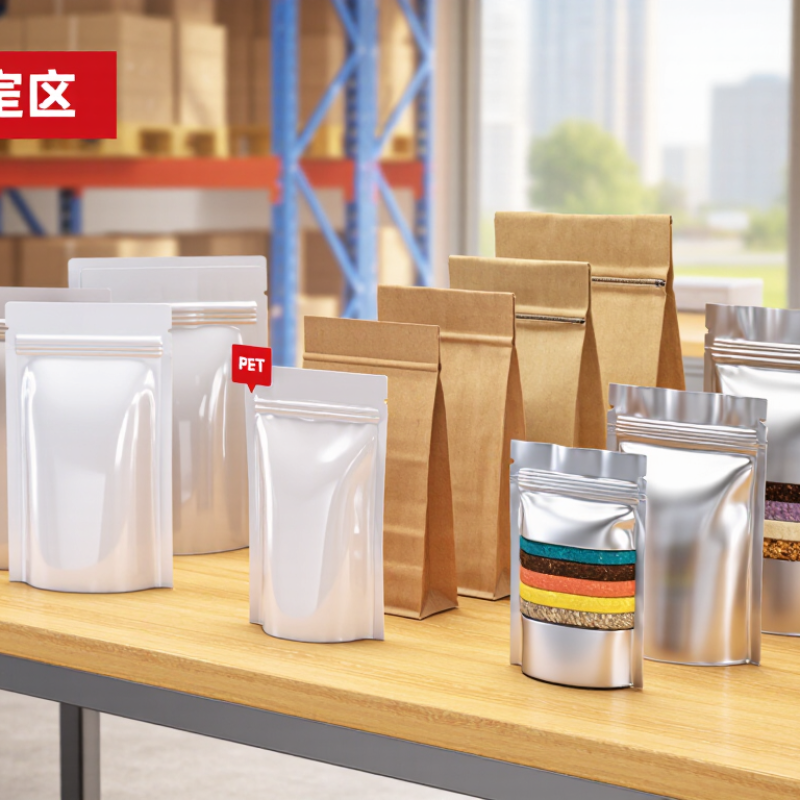
Types of Packaging Bags Commonly Made in China
What Are the Best Packaging Bags from China?
China commonly manufactures stand-up pouches, flat pouches, zipper bags, vacuum bags, and rollstock film. Stand-up pouches suit snacks, powders, pet food, and household products. Their bottom gussets help them remain upright on retail shelves. Flat pouches use less material and work well for single-use portions. Zipper closures add convenience, but they require accurate sealing pressure.
Vacuum bags are widely used for products needing reduced air exposure. Their multilayer films can improve puncture resistance and seal performance. Woven polypropylene sacks are practical for rice, grains, fertilizers, and construction materials. Paper bags offer a softer appearance and can include twisted handles or reinforced bottoms. E-commerce suppliers often order polyethylene mailer bags, especially for lightweight clothing and non-fragile goods. Some factories also produce compostable or recycled-content options, although claims require careful verification.
Practical sourcing starts with the product, not the appearance. A supplier should provide material structure, thickness, dimensions, and seal-strength data. Food-contact packaging also needs testing for the destination market. A glossy sample proves very little. The first sample is rarely perfect. A zipper may feel smooth but still leak during transport. Request drop tests, odor checks, print-rub tests, and batch records. Factory audits can reveal uneven edges, weak seals, or poor storage conditions. Specifications may change after mass production, so approved samples and inspection plans matter. This step is easy to underestimate.
How to Choose the Best Packaging Bag for Your Product
Choosing the best packaging bag begins with your product, not the lowest quotation. Moisture-sensitive goods need strong barriers against water vapor and oxygen. Sharp products need puncture resistance and reinforced seals. For powders, test leakage after repeated handling. For fresh produce, controlled ventilation may matter more than maximum barrier performance.
The OECD Global Plastics Outlook reports that packaging created about 142 million tonnes of plastic waste in 2019. This figure makes material efficiency important. Ask Chinese suppliers for the bag’s material structure, thickness, recycled content, and test results. Request samples before mass production. Check seal strength, drop resistance, odor, print quality, and dimensions. A bag can look excellent but fail at the warehouse seam. I have seen specifications that ignored filling temperature, which later caused weak seals. That mistake is easy to miss.
Tips: Match the bag to the supply chain. Define humidity, temperature, stacking time, and transport distance. Use recognized testing methods, such as ASTM or ISO procedures, where suitable. Also verify food-contact or local import requirements with a qualified compliance professional. Smithers’ flexible packaging market research projects continued global growth through 2028, but growth does not guarantee sustainability. A thinner bag may reduce material use, yet poor durability can create more waste. Review the full life cycle. Sometimes the “greenest” option is not the lightest one.
Quality Standards and Customization Options
Chinese packaging bags should be judged by measurable performance, not attractive samples alone. Smithers’ The Future of Flexible Packaging to 2028 estimates the global flexible packaging market could reach about US$300.5 billion by 2028. This growth increases pressure on factories to prove consistency. I usually request ISO 9001 certification, batch records, material specifications, and recent test reports. For food packaging, migration testing must match the destination market. Seal strength, puncture resistance, tensile strength, and drop performance also need clear targets. A bag that looks excellent may still split beside the seal.
Customization should begin with the product’s real conditions. Powdered goods may need strong seals and controlled static. Oily products often require suitable barrier layers. Moisture-sensitive items may need aluminum foil or metallized film. Suppliers can adjust bag size, gusset shape, zipper type, thickness, printing, and matte or glossy finishes. Color approval should use physical samples and measurable tolerances, rather than screen images. For sustainability claims, ask for evidence related to recyclability, recycled content, or compostability. ISO 18606 and ASTM D6400 may apply in specific cases, but neither replaces local compliance checks.
I would not approve a large order from one sample. Production variation happens. A practical process includes pre-production samples, laboratory testing, and third-party inspection. Ask for seal-temperature ranges and carton drop results. Confirm whether testing covers the finished bag, not only the raw film. Custom printing can also create registration errors, especially on complex designs. That detail is easy to overlook. Reliable Chinese manufacturers should explain these limitations instead of promising perfection.
How to Evaluate Chinese Packaging Bag Suppliers
Choosing the best packaging bags from China starts with evaluating the supplier, not the product photos. A reliable supplier should explain material structure, thickness, sealing strength, and printing limits clearly. Ask for a written specification sheet. Vague answers often signal weak production control.
Request samples made with the same materials and machinery used for mass production. Inspect the seams, zipper movement, odor, color accuracy, and resistance to tearing. For food, cosmetics, or other regulated products, request relevant test reports and traceability records. Check whether an independent laboratory issued them. A certificate without verification is not enough. I once approved a sample too quickly, and the bulk bags showed uneven sealing. That mistake was avoidable.
Factory evaluation also requires practical questions. Ask about quality checkpoints, rejected-item handling, production capacity, and corrective actions. Review the supplier’s communication speed and technical accuracy during sampling. A low price may hide thinner film, unstable color, or higher waste. Confirm payment terms, lead time, packaging method, and inspection rights in writing. It helps to arrange a pre-shipment inspection, especially for a first order. Do not rely only on a polished factory tour. Production records, sample consistency, and transparent problem-solving reveal more. Some suppliers may not have perfect English, but careful answers matter more than fluent promises. One weakness remains: remote evaluation cannot show every factory condition. A local audit may be worth the added cost.