2026 Best Motorized Valve Options for Your Home System?
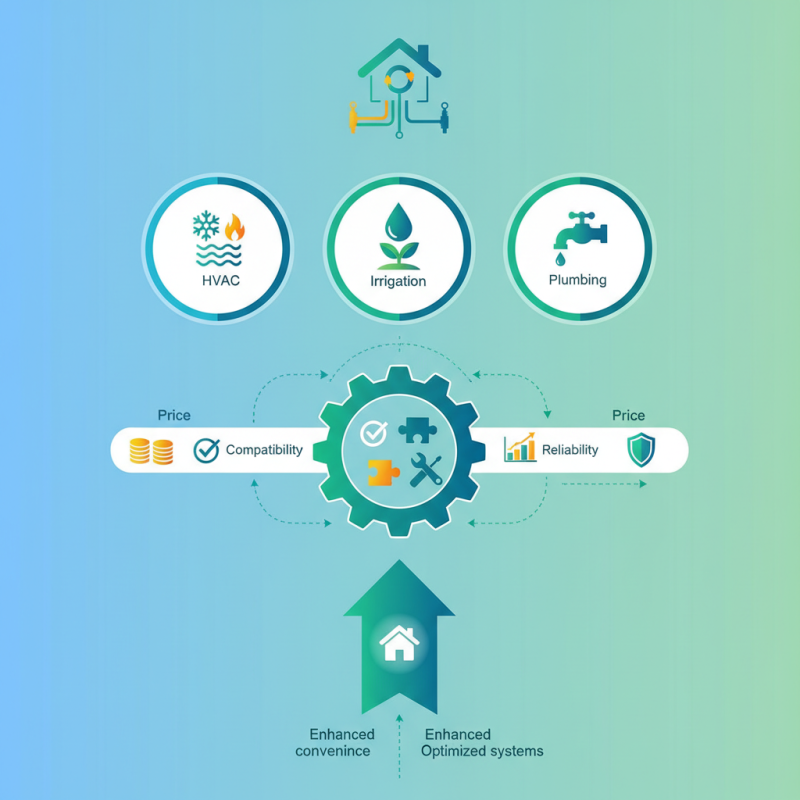
In the world of home automation, choosing the right equipment is crucial. Motorized Valves play a vital role in controlling water flow and managing energy efficiency. These devices can transform your home systems, ensuring smooth operation in HVAC, irrigation, and plumbing.
When selecting the best motorized valve options for your home, many factors come into play. The features, compatibility, and installation process matter greatly. There may be numerous options available, but not all meet quality standards. Finding the right fit can be complicated, and the wrong choice might lead to inefficiencies.
Considerations like price, performance, and reliability are key. It’s easy to overlook essential details in your search for the ideal motorized valve. Many users report frustration over unexpected failures with certain models. Reflecting on your needs and researching thoroughly can help prevent such issues. Ultimately, a well-chosen motorized valve enhances convenience while ensuring you get the most out of your home systems.
Top Features to Consider When Choosing Motorized Valves
When selecting motorized valves for your home system, consider their purpose. Different types serve specific needs. Some valves control water flow; others manage heating systems. Understanding your requirements is key.
Look at the valve's power source. Battery-operated models may offer convenience but require frequent replacements. Wired options can be more reliable, yet installation may be more complex. Think about space and accessibility, as this can impact your choice.
Also, consider the integration capabilities of the valve. Compatibility with your existing home automation systems is crucial. Some valves may work better with specific technologies. Assess your current system carefully. This decision can save you headaches later on. Make informed choices to enhance your home's functionality.
Types of Motorized Valves Suitable for Home Systems
When considering motorized valves for your home system, it's essential to understand the different types available. One popular option is the butterfly valve. This valve operates with a simple, rotating disk. It is compact and ideal for managing flow in tight spaces. However, it may not provide a perfect seal, leading to leaks over time.
Another option is the globe valve. Known for its efficiency, it’s great for regulating flow. But its design can restrict flow rates, which might not be perfect for all applications. Homeowners often overlook this drawback, focusing instead on its ability to provide fine control over flow.
Lastly, the ball valve is a solid choice for on/off applications. It can stop flow quickly and provides a tight seal. Yet, it might not be suitable for throttling applications, which can be a concern for those needing precise control. Consider your specific needs and potential drawbacks before making a decision.
2026 Best Motorized Valve Options for Your Home System
| Valve Type | Actuation Method | Best Used For | Flow Control | Power Requirements |
| Electric Motorized Valve | Electric | Heating Systems | Variable | AC 24V / DC 12V |
| Pneumatic Valve | Compressed Air | Industrial Applications | On/Off | Compressed Air Supply |
| Solenoid Valve | Electromagnetic | Water Control | On/Off | AC 110V / DC 12V |
| Thermostatic Valve | Temperature-Controlled | Radiator Heating | Variable | Self-Powered |
| Motorized Ball Valve | Electric | Water and Gas | On/Off | AC 110V / DC 24V |
Comparison of Leading Brands for Motorized Valves in 2026
When considering motorized valves for home systems, it's essential to analyze industry reports. In 2026, the market demonstrates a growing preference for efficiency and reliability. According to a recent study, 63% of homeowners prioritize energy-saving capabilities in valve options. This trend is no surprise, given rising utility costs. Many systems now integrate smart technology to optimize performance.
Cost-effectiveness also remains a significant factor. Research indicates that the average installation cost of motorized valves varies between $150 to $500. Homeowners often overlook the long-term savings these devices can bring. Some installations might seem expensive initially, yet they lead to reduced energy bills over time. It's crucial for consumers to reflect on this trade-off.
However, not all products deliver excellent performance. A survey showed that 27% of users experienced valve failure within five years. This data highlights the importance of thorough research. Homeowners should not rush to choose a product. Instead, they should seek detailed reviews and comparisons to make informed decisions. Quality matters. A well-researched choice can prevent future headaches.
Installation Tips for Motorized Valves in Residential Applications
When installing motorized valves in your home system, proper planning is key. Choose a suitable location for the valve. It should be easily accessible for maintenance. Also, consider the proximity to power sources. Running wires can be tricky. Make sure you account for the distance to your control system.
Identify the correct size of the valve for your piping system. A valve too large or small won't function properly. Inspect the piping for wear or corrosion before installation. Sometimes, old pipes can lead to leaks later. It’s better to fix them upfront.
Follow the manufacturer's guidelines for wiring and setup. Double-check connections to avoid operational issues. Test the valve after installation. Ensure it opens and closes smoothly. Keep in mind that sometimes it might not work on the first try. Adjustments might be needed. Always be ready for a bit of troubleshooting.
Maintenance Practices to Extend the Life of Motorized Valves
Motorized valves are vital for home automation. They control the flow of water or gas in various systems. To extend their lifespan, you must follow essential maintenance practices.
Regular inspection is key. Experts recommend checking valves every six months. Look for leaks or unusual noises. These can indicate wear and tear. Clean the valve surfaces to remove debris. A buildup can hinder functionality. Utilize vacuum systems or soft brushes for this task.
Lubrication is another critical factor. Use appropriate lubricants sparingly on moving parts. Too much can attract dirt. In fact, a study noted that improper maintenance shortens valve life by up to 30%. So, aim for a balanced approach. Monitor performance regularly to catch issues early. Identifying a malfunction sooner can save on costly repairs down the road.