10 Best Foam Gym Flooring Options for Home and Gym?
Choosing the right Foam Gym Flooring can change how a workout feels, sounds, and performs. A stable surface can soften impact, reduce noise, and protect both equipment and subfloors. Yet no single mat suits every room. A bright home studio may need comfort and easy cleaning, while a busy gym demands stronger seams and better resistance to compression.
This guide examines ten practical flooring options for home and commercial training spaces. It considers thickness, density, surface grip, water resistance, installation, maintenance, and overall value. These details matter when dumbbells land hard or sweat collects near a bench. They also reveal weaknesses that product photos often hide.
Real-world use matters.
A soft mat may feel pleasant during stretching but become unstable under heavy racks. Interlocking tiles can install quickly, although their edges may separate on uneven floors. Rubber-backed foam may improve traction, but it can release an odor when first unpacked. That does not always indicate poor quality, yet it deserves attention in enclosed rooms.
The recommendations are based on practical performance rather than appearance alone. They also recognize that budgets, training styles, and floor conditions differ. Even experienced buyers can overlook cleaning needs or long-term compression. I may favor thicker foam for mobility work, but that preference is not universal. Careful comparison remains essential. By weighing comfort, durability, safety, and maintenance together, readers can choose flooring that supports consistent training without creating avoidable problems.
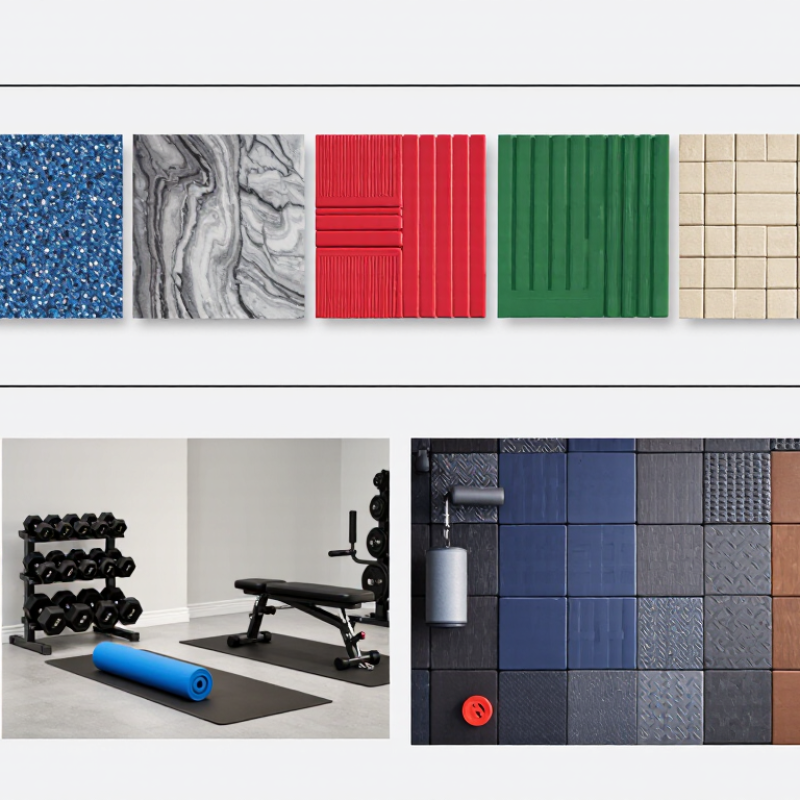
What Foam Gym Flooring Is and Why It Matters
10 Best Foam Gym Flooring Options for Home and Gym
What Foam Gym Flooring Is and Why It Matters
Foam gym flooring uses dense, resilient foam tiles or rolls beneath training equipment. It creates a softer surface than concrete, wood, or bare vinyl. During home workouts, this cushioning can reduce pressure on knees, wrists, and ankles. It also helps absorb small impacts from dumbbells, mats, and bodyweight exercises.
The right thickness depends on your routine. Lightweight foam may suit stretching, yoga, and mobility work. Thicker, high-density foam is more suitable for general strength training. However, foam is not a perfect shield against heavy barbells or sharp equipment. Excessive weight can leave dents, especially in softer tiles. I once assumed thicker always meant better, but overly soft flooring made balancing exercises less stable.
Tips: Check the floor beneath the foam first. It should be clean, dry, and reasonably level. Test one tile with your equipment before covering the entire room. Look for firm recovery after compression, tight seams, and a surface that does not become slippery with sweat. Ventilate new flooring for a short period if it has a noticeable odor. Avoid using foam where exposed heat, sharp edges, or uncontrolled heavy drops are common. Some products look durable but compress quickly. A careful trial matters more than attractive measurements.
Ten Best Foam Gym Flooring Options by Training Needs
Choosing foam gym flooring by training need is more practical than chasing one universal surface. Interlocking EVA tiles suit bodyweight workouts and beginner strength sessions. High-density foam handles light dumbbells with less visible compression. Textured foam improves footing during HIIT, although sweaty hands can still make transitions awkward. Cushioned puzzle mats work well for children’s exercise areas and family rooms. Foldable foam mats are useful for mobility drills, stretching, and temporary home workouts. They store easily under a bed.
Thicker closed-cell foam supports low-impact cardio and reduces pressure on knees during repeated steps. Soft martial arts mats provide better comfort for rolls, balance practice, and controlled floor drills. Anti-fatigue foam tiles help users who stand during circuit training, but they may feel unstable under heavy lifting. Roll-out foam mats suit renters or people who change training spaces often. Compact travel mats serve recovery exercises, hotel workouts, and light stretching. Foam can dent under racks and heavy barbells. It may also separate at the seams over time. I once preferred maximum softness, but firmer flooring gave better balance during squats. Check tile thickness, surface grip, moisture resistance, and cleaning needs before buying. Performance depends on the floor beneath it. A damp or uneven subfloor can undermine even well-made foam.
How to Choose the Right Foam Flooring for Your Space
Choosing foam gym flooring starts with your workout, not its appearance. Light stretching and bodyweight training need softer, thinner tiles. Kettlebells and plyometrics require denser foam, stronger seams, and greater impact resistance. ASTM F355 provides a recognized method for evaluating shock attenuation. However, test results do not predict every home gym. Your subfloor, footwear, and movement style still matter.
Measure the room before buying. A 12-millimeter tile may feel comfortable, but it can compress under repeated jumping. Thicker foam offers more cushioning, yet it may feel unstable during lunges. Check the product’s density, compression recovery, moisture resistance, and cleaning instructions. CDC guidance recommends at least 150 minutes of moderate activity weekly for adults. That frequency makes durability important, even in a small home space. The 2024 ACSM Worldwide Survey also placed home-based exercise among major fitness trends. More home use means flooring must support varied routines.
Tips: Place foam over a clean, level, dry surface. Leave expansion space near walls. Test one tile first. Walk, squat, and jump on it. Watch for sliding. My early mistake was choosing softness over stability. It felt pleasant during stretching, but balance work became awkward. Foam also needs ventilation after installation. A faint odor can remain. If it persists, rethink the material or room airflow. Read technical sheets, not only customer ratings. Data helps, but your feet reveal problems faster.
10 Best Foam Gym Flooring Options for Home and Gym
Foam flooring thickness should match the activity and impact level. Thinner tiles suit stretching and bodyweight workouts, while thicker mats provide more cushioning for martial arts, gymnastics, and tumbling.
The thickness values represent commonly available foam flooring specifications and practical recommendations. Heavy barbells and powerlifting areas generally require dense rubber flooring rather than foam.
Installation, Cleaning, and Safety Considerations
Choosing among the ten best foam gym flooring options starts with the room itself. Measure the space carefully, including door clearance and equipment zones. I once underestimated a corner by two inches, creating an awkward gap beside a rack. That small mistake collected dust quickly.
Prepare a dry, level subfloor before installation. Remove grit, repair cracks, and allow concrete to dry fully. Interlocking tiles usually need no adhesive, while rolled foam may require careful alignment. Leave a small expansion gap near walls if the flooring instructions recommend it. Staggering seams can improve stability. Do not force tiles together. Tight edges may lift later.
Cleaning should be simple but consistent. Sweep loose chalk and grit after each workout. Use warm water with mild soap and a soft mop. Avoid harsh solvents, abrasive brushes, and excessive moisture. They can damage the surface or leave it slippery. Dry the floor completely before training. It sounds obvious.
Safety depends on more than softness. Check that the foam stays flat under benches, bikes, and weights. High-impact lifting may compress ordinary foam, so review its thickness and density ratings. Keep the surface away from open flames and strong heat sources. Inspect monthly for tears, curled edges, odors, or crushed areas. Replace damaged sections promptly. Foam can hide wear beneath equipment, and I have learned that visual checks are not enough. Lift movable items occasionally and inspect underneath. Non-slip shoes and sensible equipment use still matter.