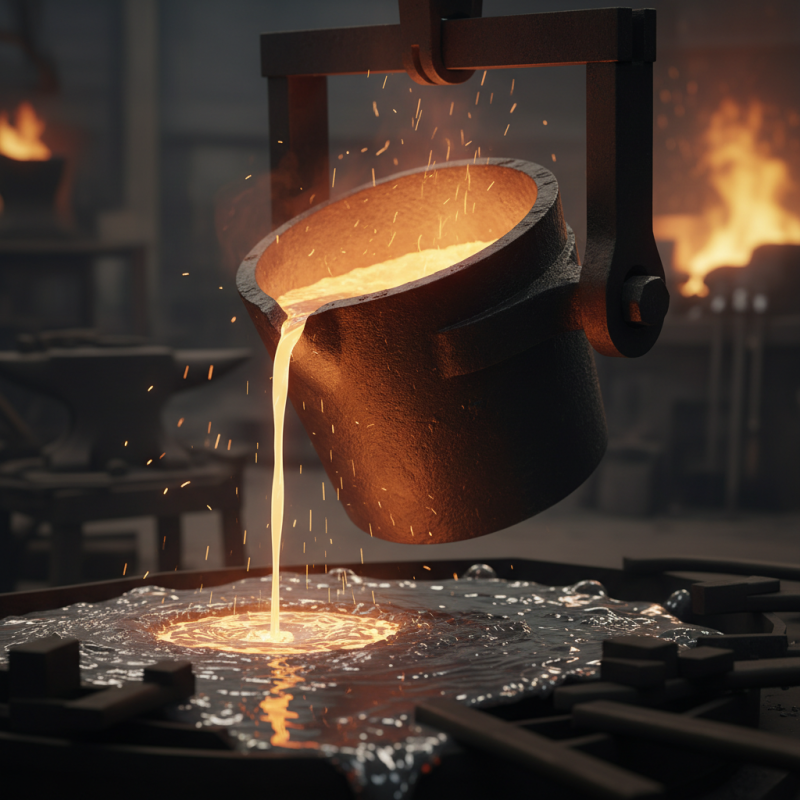
Best Cast Iron Crucibles for High Efficiency Metal Melting?
When it comes to high-efficiency metal melting, the choice of tools is crucial. The Cast Iron Crucible stands out as a reliable option in this field. Its ability to withstand extreme temperatures makes it essential for both hobbyists and professionals.
Crafted from durable materials, these crucibles offer excellent heat retention. Many users appreciate their robustness, but not all models perform equally well. Some may have flaws, such as uneven heating or less durability under severe conditions.
Selecting the right Cast Iron Crucible involves careful consideration. Factors like size, weight, and design can significantly impact your melting experience. Ensuring you have the right equipment is vital for achieving optimal results. A well-chosen crucible not only enhances efficiency but also reduces risks during metalworking processes.
Types of Cast Iron Crucibles for Metal Melting
When it comes to metal melting, choosing the right type of cast iron crucible is crucial. Cast iron crucibles are known for their durability and thermal conductivity. They can withstand high temperatures, making them ideal for melting metals like aluminum and bronze. The thickness of the crucible affects heat retention, so thicker options may be better for prolonged use.
There are various types of cast iron crucibles available. Some are designed for specific metals, while others are more versatile. The shape of the crucible can also influence performance. Deep, narrow shapes may facilitate easier pouring, while wider designs can allow for better heat distribution. However, not every shape suits all melting needs, leading to trial and error in selection.
Users often overlook maintenance and usage techniques. Not every crucible performs perfectly out of the box. Over time, users notice how certain temperatures degrade their casting. Regular care and awareness of signs of wear are important. Identifying the right type requires patience and practical experience. Finding the right balance between efficiency and longevity is key in the melting process.
Factors Influencing Efficiency in Cast Iron Crucibles
When considering efficiency in metal melting, the design of cast iron crucibles plays a crucial role. Several factors influence their performance. Heat retention is vital. A well-constructed crucible minimizes heat loss, allowing for consistent melting temperatures. According to industry data, crucibles with thicker walls can retain heat more effectively, which can lead to energy savings of up to 20%.
Material composition is another important aspect. High-quality cast iron has superior thermal conductivity. This allows for quicker melting times. Recent studies indicate that specific formulations can enhance durability under extreme temperatures. A quality crucible may last five to ten times longer than inferior options, reflecting a better long-term investment.
It is also essential to consider the crucible's shape. A broader design offers more surface area for heat absorption. However, it may also require larger energy inputs. Balancing these factors can be challenging. Over time, users may notice variations in melting efficiency based on the crucible's condition and usage. Regular inspections and adjustments can mitigate performance issues. Adapting to these complexities is key for achieving optimal results in metal melting processes.
Choosing the Right Size and Shape for Your Melting Needs
When selecting a cast iron crucible for metal melting, size and shape play crucial roles. The right dimensions ensure efficient heat distribution and optimal melting of materials. For instance, a study by the American Foundry Society indicates that crucibles with a capacity of 10 to 20 pounds are ideal for small-scale projects. This size allows for adequate control over the melting process, improving efficiency.
In terms of shape, deeper crucibles promote better heat retention. A rounder base tends to heat up more evenly than square shapes. According to the Journal of Casting and Materials Research, crucibles with a rounded profile can improve the melting rate by up to 15%. Such designs are particularly effective for melting aluminum and copper.
However, choosing the right crucible is not straightforward. The melting temperature of specific metals can vary significantly, affecting your choice of crucible. For example, iron requires higher temperatures and thus necessitates thicker, more durable designs. This can sometimes lead to higher costs and longer cooldown times. Achieving balance is key. It's important to reflect on your specific melting needs and not rush into a decision based solely on price or availability.
Best Cast Iron Crucibles for High Efficiency Metal Melting
Care and Maintenance Tips for Longevity of Crucibles
To ensure the longevity of your cast iron crucibles, proper care and maintenance are essential. A crucial practice is to clean the crucibles immediately after use. This prevents metal residue and oxides from building up.
Scrape out any remnants while the crucible is still warm. Avoid using harsh chemicals; simple soap and water work well.
Seasoning your crucible is another effective method to prolong its life. Lightly coat the interior with vegetable oil before heating. This creates a protective layer that reduces oxidation and improves melting efficiency. Regularly inspect your crucible for cracks or warping. Small issues can escalate into larger problems if neglected.
Storage is equally important. Store crucibles in a dry, cool place to prevent moisture-related damage. Consider using silica gel packets to absorb excess humidity. Despite best efforts, some wear and tear are inevitable. Paying attention to your crucible's condition allows you to make necessary adjustments. This proactive approach fosters both efficiency and safety in metal melting endeavors.
Comparative Analysis of Popular Brands and Models in the Market
When choosing cast iron crucibles for metal melting, brands play a crucial role. A recent market analysis highlights the growing preference for cast iron due to its durability and heat retention properties. The thermal stability of cast iron allows for consistent melting temperatures, which can improve the efficiency of metalworking processes.
Reports indicate that well-designed crucibles can withstand temperatures up to 1,600 degrees Fahrenheit. This makes them suitable for a range of metals, from aluminum to bronze. However, not all models achieve this. Some may falter at higher temperatures due to inferior material quality. Users should consider factors like wall thickness and the crucible's design to avoid thermal shock.
Longevity is another critical factor to consider. Some users report that certain models crack after a few uses, raising concerns about the overall quality. Regular evaluations of the crucible's performance during use can help in selecting the right model. Gathering feedback from experienced metalworkers can also guide new buyers in making informed choices.
Best Cast Iron Crucibles for High Efficiency Metal Melting
| Model | Capacity (L) | Max Temp (°C) | Weight (kg) | Price ($) |
| Model A | 3 | 1200 | 5.5 | 45 |
| Model B | 5 | 1300 | 7.0 | 85 |
| Model C | 7 | 1400 | 9.0 | 120 |
| Model D | 10 | 1500 | 11.5 | 150 |