


2026 Top Eco Disposable Paper Products for Global Buyers?
Global buyers are entering 2026 with higher expectations for Eco Disposable Paper products. They want convenience, hygiene, and credible environmental performance in one purchase.
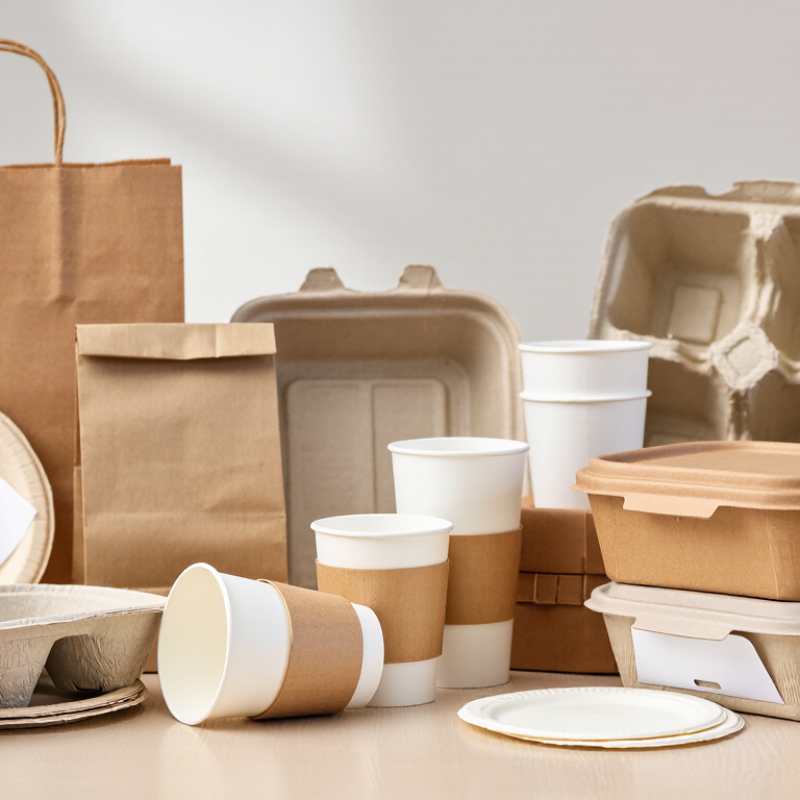
This article examines the leading paper cups, food containers, plates, trays, bags, and protective packaging expected to shape international sourcing. Real buying decisions often begin with simple details. Can the cup resist hot coffee for thirty minutes? Does the takeaway box remain stable under steam? Can the paper handle chilled food without leaking? These practical tests matter more than attractive green claims.
William McDonough, a leading sustainable design expert, captured the wider challenge clearly: “Waste equals food.” His statement encourages buyers to examine what happens after use, not only how a product looks on a shelf. Fiber origin, recycled content, barrier coatings, printing inks, compostability claims, and end-of-life collection all deserve careful review.
The strongest suppliers should provide traceable documentation, consistent specifications, and test results from recognized laboratories. Buyers should also check whether local recycling or composting systems can actually process the product. A certified item may still become waste when suitable facilities are unavailable.
There is no perfect disposable solution. Paper can require significant water, energy, and forestry resources. Some coatings improve performance but complicate recovery. That tension deserves honest discussion.
This guide compares promising Eco Disposable Paper options through a practical global sourcing lens. It considers performance, supplier transparency, application fit, and realistic environmental value. Claims should be questioned. Details should be measured.
What Are Eco Disposable Paper Products and How Are They Made?
Eco disposable paper products are single-use items designed to replace conventional plastic in foodservice and retail. They include cups, plates, trays, bowls, wraps, napkins, and protective paper packaging. Their main materials are paper pulp, recycled fiber, bamboo fiber, or agricultural residues such as bagasse. “Eco” is not automatic. Fiber source, coating, transport, and disposal conditions all matter.
Manufacturing usually begins with pulping, where fibers mix with water and form a uniform slurry. Clean fibers matter. The slurry passes through screens to remove oversized particles and contaminants. Machines then shape it through molding, pressing, or forming dies. Heat removes moisture and strengthens the structure. For cups and grease-resistant food containers, producers may add a thin water-based or bio-based barrier layer. This layer improves performance, but it can affect recycling or composting. Buyers should request material specifications and test reports.
During supplier checks, I examine edge quality, odor, leakage resistance, stacking strength, and print adhesion. A plate may look sturdy yet soften under hot soup. Small defects become costly during long-distance shipping. Reliable suppliers control moisture, dimensions, pulp cleanliness, and batch consistency. They should also explain disposal guidance clearly, because industrial composting is not available everywhere. The process reduces dependence on fossil-based plastics, but it still uses energy, water, and transport. That trade-off deserves honest review. Better design is rarely perfect. It is measurable, documented, and improved over time.
Which Paper Materials and Coatings Support Better Sustainability?
For global buyers, paper sustainability starts with fiber, not a green label.
Recycled fiber can reduce pressure on forests and shorten material loops. The European Paper Recycling Council reported an 82% paper recycling rate in Europe in 2023. However, recycled content alone does not guarantee responsible sourcing. Virgin fiber should come from verified, legally managed forests, with traceability through the supply chain. The Food and Agriculture Organization reported global paper and paperboard production above 400 million tonnes in 2022. That scale makes sourcing decisions significant.
Coatings often decide whether a paper product can be recycled. Water-based dispersion coatings can provide grease or moisture resistance with less plastic than conventional laminated structures. Cellulose-based barriers are promising for dry foods and takeaway applications. Yet performance varies. A thin coating may fail when exposed to hot soup, oil, or condensation. Mineral coatings can also affect repulping if used heavily. Buyers should request laboratory data, repulpability results, and full material declarations.
Compostable coatings need careful evaluation. They may require controlled industrial composting, which is unavailable in many regions. “Biodegradable” is not automatically better. It can be misleading without disposal infrastructure and testing conditions. PFAS-free grease barriers are increasingly preferred, but replacement chemistry still needs migration and durability checks. A practical specification should balance recycled fiber, coating weight, food-contact safety, recyclability, and local waste systems. We sometimes overestimate the value of a novel coating. Real-world collection remains the harder problem.
What Types of Eco Disposable Paper Products Are Available in 2026?
In 2026, eco disposable paper products cover more than cups and plates. Global buyers can source paper cups, bowls, takeaway boxes, trays, bags, napkins, straws, and molded-fiber lids. Recycled paper suits dry foods and light service. For soups, sauces, and oily meals, buyers often need grease-resistant barriers. These may use water-based coatings, plant-based coatings, or certified compostable layers.
Demand is expanding. Grand View Research valued the global paper packaging market at about US$413.31 billion in 2023. It projects a 4.7% compound annual growth rate from 2024 to 2030. Smithers also identifies fiber packaging as a strong sustainable packaging segment through 2028. These figures include broader packaging, not only disposable foodservice items. That limitation matters.
A practical 2026 product range should include recyclable paper bags, fiber food containers, paper lids, and responsibly sourced napkins. Buyers should check fiber content, coating composition, food-contact tests, and industrial composting access. A paper cup is not automatically recyclable. Local collection systems decide its real outcome. I have seen attractive “eco” claims fail during supplier audits. Certification helps, but it does not replace traceability. Suppliers should provide test reports, recycled-content evidence, and clear disposal instructions. Small details matter, such as whether a lid stays firm after ten minutes of hot steam.
How Can Global Buyers Evaluate Product Quality and Environmental Claims?
Global buyers should evaluate disposable paper products through evidence, not attractive environmental language. Request samples from the actual production batch, then inspect thickness, edge strength, leakage resistance, and odor. A sturdy cup should hold hot liquid without softening or deforming. Packaging should also remain dry during normal warehouse handling.
Environmental claims require clear boundaries. Ask whether the paper contains recycled fiber, virgin fiber, or a verified blend. Request fiber-source records, coating details, and test reports from an independent laboratory. Compostable does not mean compostable everywhere. Confirm the required conditions, such as industrial composting, temperature, and processing time. Check whether local waste systems can handle the product.
Quality can change between samples and mass production. Use written specifications, retention samples, and batch inspections before shipment. Confirm food-contact compliance for the destination market. A recognized chain-of-custody certificate adds confidence, but it is not the whole truth. Reports may be outdated. Claims may sound broader than the evidence. Buyers should compare test dates, laboratory credentials, and product codes carefully. A practical review may reveal weaknesses that marketing materials hide. That extra doubt is useful.
What Should Buyers Consider When Sourcing Paper Products Internationally?
International buyers should assess paper products beyond appearance and price. Ask for fiber content, coating details, production location, and recent test reports. Recycled content can support sustainability goals, but it may affect strength, color, and odor. Do not accept vague claims such as “green” without measurable evidence.
Check whether the product suits its real use. A takeaway bowl may face hot soup, oil, stacking pressure, and long transport. Request samples, then test them under similar conditions. Confirm food-contact documentation where applicable, along with compostability or recyclability claims for the destination market. Requirements differ across countries, so local verification remains essential. Ask suppliers about minimum order quantities, lead times, pallet dimensions, and moisture protection during shipping. Small details matter.
Supplier reliability also deserves practical scrutiny. Review factory experience, quality-control procedures, corrective-action records, and communication speed. An independent inspection can reveal weak seals, uneven rims, or crushed cartons before shipment. However, inspections are not perfect. A passed sample may not represent every production batch. Buyers should define acceptable limits in writing and keep retained samples for comparison. Environmental goals can also conflict with cost, durability, and shipping efficiency. Honest sourcing means recording those trade-offs instead of hiding them. Steady evidence beats attractive promises.
